Amazon Product Packaging Requirements 2025: What Sellers Must Know
In the fast-evolving world of Amazon FBA, staying ahead of Amazon product packaging rules isn’t just about compliance—it’s a strategic edge for cutting costs, boosting customer satisfaction, and scaling your business. This guide breaks down the essentials, from basics to advanced tips, drawing on official Amazon updates and real-world seller insights to help you ship smarter.
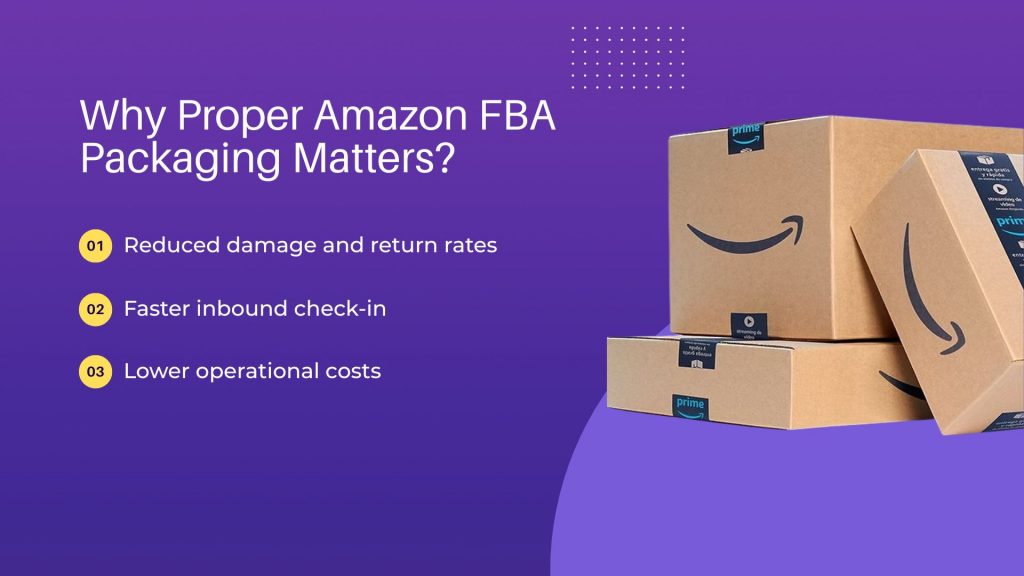
Why Proper Amazon FBA Packaging Matters?
Navigating Amazon’s packaging landscape can feel overwhelming, but mastering it directly impacts your bottom line and brand reputation—think fewer returns, faster fulfillment, and happier customers.
- Reduced damage and return rates
Product damage is one of the biggest causes of margin loss for FBA sellers. When Amazon product packaging isn’t secure enough, items get scuffed, cracked, or dented during automated handling in Amazon warehouses.
- Faster inbound check-in
Clean labeling, sealed poly bags, and cartons that meet Amazon’s size and weight rules help your goods move through the receiving process quickly. When everything aligns with Amazon’s expectations, shipments are often available for sale within a few days of delivery.
- Lower operational costs
Packaging influences both shipping and storage costs. Over-packaging leads to larger dimensional weight charges, while under-packaging can trigger repack fees. Optimizing box dimensions and switching to materials that are both protective and space-efficient helped one electronics client of ours lower their packaging material expenses by more than 20%. They also reduced FBA storage fees because their products took up less warehouse space. This wasn’t just an operational improvement; it translated directly into more margin.
Why Proper Amazon FBA Packaging matters?
Barcode & Labeling Requirements (UPC, FNSKU, Carton Labels)
Accurate labeling ensures Amazon can identify your products correctly during inbound receiving, storage, order picking, and final delivery. Mislabeling is one of the most common causes of shipment delays and inventory errors, so it’s important to understand what each label is for and where it belongs.
UPC / EAN (Manufacturer Barcode)
These are universal product identifiers used worldwide in retail.
Key points:
- Usually printed by the manufacturer directly on the product packaging.
- Works as a general marketplace identifier.
- For private label sellers, the UPC is often used solely to create the listing, rather than for warehouse tracking.
Where it goes:
- Anywhere visible on the retail packaging (typically on the back or bottom).
Example:
If you are selling a water bottle from your own brand, the factory prints the UPC on the box.
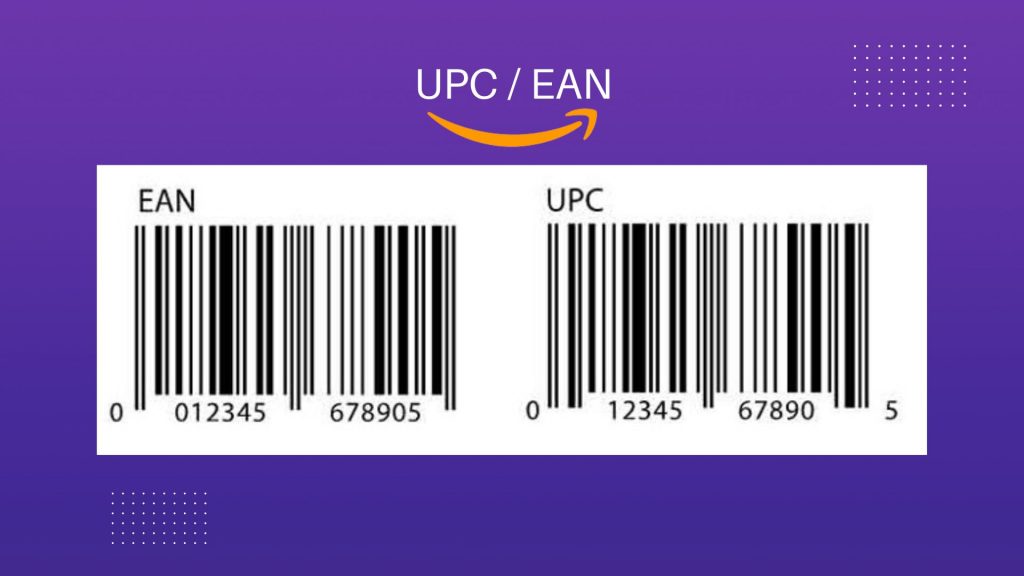
Amazon UPC / EAN barcode labeling
FNSKU (Amazon Product Identifier)
The FNSKU is Amazon’s unique identifier, linking the product to your seller account, not just the product itself. This prevents your inventory from being mixed with similar products from other sellers who may have different quality standards.
Requirements:
- An FNSKU label must be placed on every individual sellable unit
- The barcode must be clear and scannable (not blurry or wrinkled)
- You may cover the UPC if you are using FNSKU as the primary identifier
Recommended Size: ≈ 1” x 2” (flexible as long as the scanner reads it easily)
Where to Place It:
- Smooth, flat surface of the product packaging
- Avoid edges, curves, or textured areas
Simple Example (Hypothetical Supplement Product):
📦 The product’s retail box already has a manufacturer UPC printed
🖨️ You download and print the FNSKU label in Seller Central
🧩 You apply the FNSKU over the UPC or directly next to it
🔍 Now Amazon can track this product to your seller account specifically
Carton Shipping Labels (Box Labels for Inbound Shipments)
These labels are placed on the shipping cartons (the outer boxes you send to Amazon Fulfillment Centers).
Requirements:
- Print the labels during the shipment creation step in Seller Central
- Apply two labels on opposite sides of each carton (example: front + back)
- Do not place tape or shrink wrap over the label (it may block Amazon scanners)
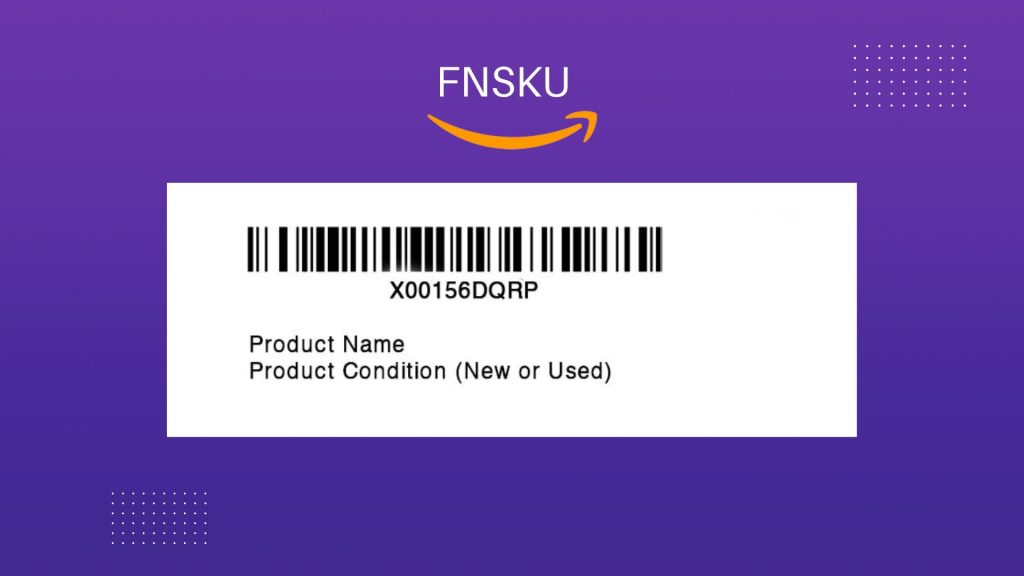
Amazon FNSKU labeling
Purpose of the Carton Label:
This label tells Amazon:
- 📦 Which shipment the box belongs to
- 📍 Where the box should be routed inside the warehouse network
- 🗂️ How to match the box with your product inventory records
Quick Labeling Workflow & Scan-Ready Best Practices
Once your labels are printed, following a simple workflow helps prevent mislabeling errors and inbound delays. Think of this as your “last check” step before cartons leave the warehouse.
Step-by-Step Labeling Workflow:
- Apply FNSKU on every individual sellable unit
- If using case-packed products, apply case label to the outer case
- Apply two carton shipping labels on opposite sides of each box
- Ensure every barcode is flat, clean, and not covered by tape
|
Item |
Label Needed |
Applied On |
Note |
|
Individual Units |
FNSKU | Retail packaging |
Must be scannable |
|
Case Packs (if applicable) |
Case Label | Outer case | Only if shipping case-packed units |
| FBA Shipment Cartons | Carton Shipping Labels | Outside of box (two sides) |
Avoid placing tape on labels |
Before you tape up your cartons and send them off, take a few seconds to make sure everything can be scanned properly. It sounds small, but this step alone can save days of inbound waiting time.
📱 Do a quick hand-scan test on a few units and the carton label
🎯 If the barcode doesn’t scan immediately (or takes more than a second), just reprint the label
🔍 Check that labels are flat and clean — dust, smudges, and tiny wrinkles really do matter
🚫 Try not to place labels on corners or curves; scanners like smooth, flat surfaces
Spending even 30–60 seconds to double-check labels before sealing the box can prevent multi-day delays at Amazon receiving. It’s one of those small habits that pays off over and over once your volume grows.
Core FBA Packaging Rules (Units, Poly Bags, Multi-Packs, Fragile Items)
Before diving into category-specific prep, it helps to understand the essential rules Amazon applies to all products entering the fulfillment network. These Amazon product packaging standards keep your items safe during conveyor handling, stacking, and storage.
Individual Units (General Requirements)
Each sellable unit must arrive ready for shipment to the customer, meaning Amazon should not need to add extra prep.
Key points:
- Packaging must fully enclose the product (no exposed parts).
- Seals must prevent tampering but still be customer-friendly.
- All units must have a scannable barcode (FNSKU or UPC, depending on your choice).
- If the product has multiple loose components (e.g., lid + body), secure them with tape or shrink wrap.
A quick rule our team uses: “If it can open, spill, break apart, or be mistaken for a different SKU—secure it.”
Poly-Bag Rules (For Fabric, Soft Goods, Loose Items)
Poly bags are required when items can easily fall out, attract dust, or snag on warehouse machinery.
Amazon FBA product packaging requirements:
- Minimum thickness: 1.5 mil.
- Transparency: Must be clear enough to identify the product.
- Barcode visibility: Barcode must be scannable through the bag or applied as an external label.
- Suffocation warnings:
- Required for any bag 5 inches or larger.
- You may print it directly or apply a sticker.
Common uses: apparel, plush toys, multipiece fabric sets, small boxed items that can open in transit.
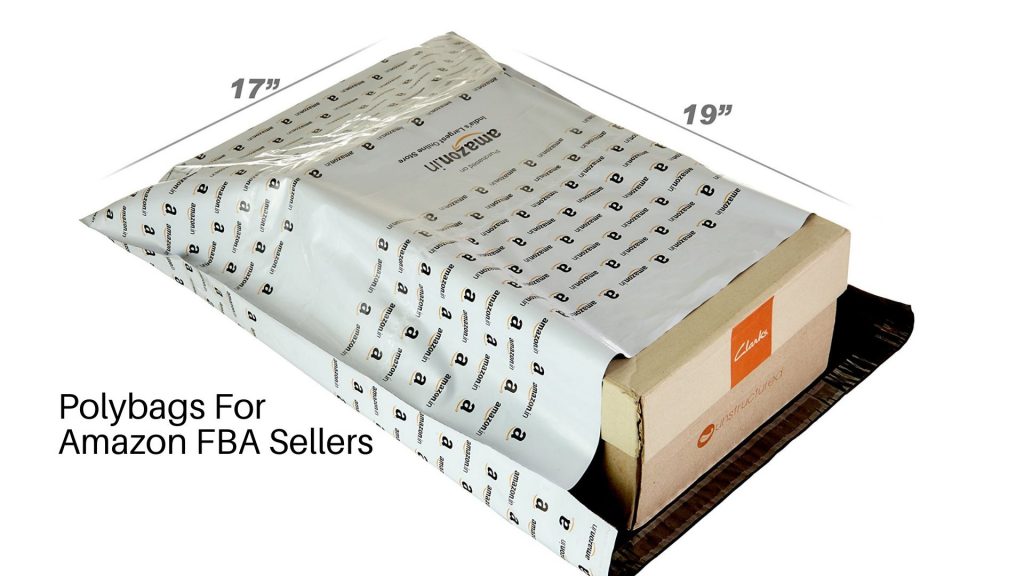
Polybags for Amazon FBA sellers
Practical example (hypothetical):
If you sell a yoga towel that tends to absorb warehouse dirt or lint, a poly bag is not just compliant—it’s part of delivering a clean customer experience.
Multi-Packs & Bundles
These often confuse new sellers. The rule is simple: Amazon must understand that the items are sold together as one unit.
To stay compliant:
- Wrap all items together (shrink wrap, poly bag, or box).
- Place a clear label such as:
- “Sold as Set”
- “Do Not Separate”
- Apply one FNSKU for the entire bundle.
- Ensure the combined packaging is sturdy enough for automated handling.
Avoid this common mistake: Sending three individually labeled units, expecting Amazon to bundle them. They won’t—they’ll treat them as separate sellable items.
Fragile & Breakable Items
Fragile products require the closest attention because they go through heavy automation—drops, pressure, vibrations, and stacking.
Amazon’s expectations include:
- 6-foot drop test compliance (a simple home test helps validate this).
- Adequate internal cushioning, such as foam inserts, moulded pulp, air pillows, or honeycomb paper.
- Double-boxing for items with protruding parts, glass, or ceramics.
- A clear “Fragile – Handle with Care” label (Amazon doesn’t mandate it, but it helps signal caution during third-party transit).
A practical mindset we often share: “If you’d worry about the item in airline luggage, it needs stronger FBA prep.”
Liquids, Powders & Items With Leakage Risk
These require extra sealing to prevent contamination of other inventory.
Basic rules:
- Secure caps with tape.
- Liquid containers must survive a tilt test without leakage.
- Products 100% liquid must be placed in a fully sealed poly bag.
- Powders or granules must not escape the container under pressure.
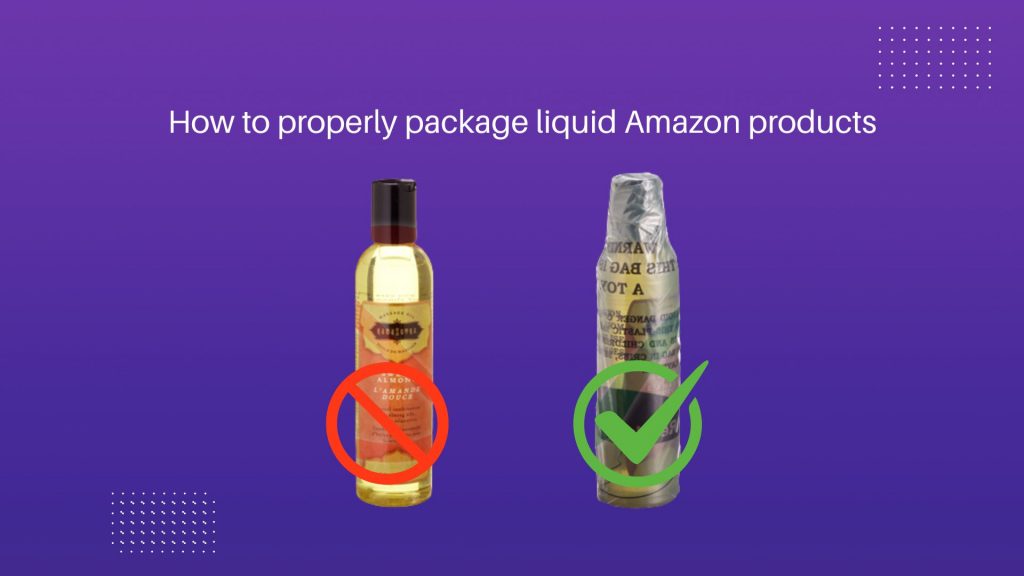
How to properly package liquid Amazon products
You don’t need complicated packaging—just airtight, clean, and robust sealing practices.
Sharp, Pointed, or Hazard-Prone Items
If you sell tools, kitchen accessories, or anything with edges, Amazon requires you to:
- Cover sharp points with safety caps or protective sleeves.
- Use rigid packaging that prevents poking through.
- Avoid flimsy plastic that tears easily.
A simple check: If you can press the package with your palm and feel a sharp edge → it is not compliant.
Box Dimensions, Weight Limits & Inbound Shipment Prep
Amazon’s inbound standards aim to keep warehouse handling predictable and safe. Staying within limits helps reduce rejections, prep fees, and unexpected delays.
Box Size & Weight Limits
📦 Maximum carton size:
- No side may exceed 25 inches unless shipping oversized items.
- Total dimensions must not exceed 36″ × 25″ × 25″.
⚖️ Weight limits:
- Standard-size cartons: max 50 lbs.
- Oversized items: up to 70 lbs only if a single item naturally exceeds this.
- If a box exceeds 50 lbs → apply “Team Lift” label.”
- If a box exceeds 70 lbs → apply “Mechanical Lift” label” (rare, only for heavy single items).
Internal Packing Rules for Cartons
- Keep items immobilized: Amazon’s conveyors shake more than most sellers expect. If a unit can shift inside the carton, add dunnage or switch to tighter-fit cartons.
- Avoid mixed-SKU cartons unless required: Mixed boxes are allowed, but slow down receiving and increase error potential. Single-SKU cartons move fastest through FCs.
- Seal with H-tape method: Reinforces top and bottom seams and reduces rework.
Inbound Shipment Prep Essentials
A streamlined process helps avoid back-and-forth revisions inside Seller Central.
Before shipping:
- Measure & weigh every carton after final sealing (don’t estimate).
- Upload exact dimensions to Seller Central—Amazon auto-calculates fees and capacity.
- Place shipping labels on two opposite sides (never corners or seams).
- For palletized shipments:
- Max height: 72 inches including pallet
- Use 40×48″ pallets only
- Shrink wrap tightly and label each pallet on all four sides
Quick workflow tip: We usually prep cartons in small batches—measure → weigh → label—before moving them to the pallet area. It reduces errors and keeps carton data perfectly aligned with what’s entered in the inbound workflow.
Sustainable Packaging Options & FFP Certification
As sustainability becomes a stronger retail expectation, Amazon’s eco-friendly standards can help sellers cut material waste while improving customer perception. The goal is simple: lighter packaging, fewer materials, and faster delivery without sacrificing product protection.
Common Sustainable Packaging Options
These are practical materials sellers can switch to without complicating their FBA workflow:
- Recyclable mailers & cartons
Lightweight kraft mailers and FSC-certified corrugated boxes reduce both dimensional weight and waste. They work especially well for apparel, supplements, and small electronics.
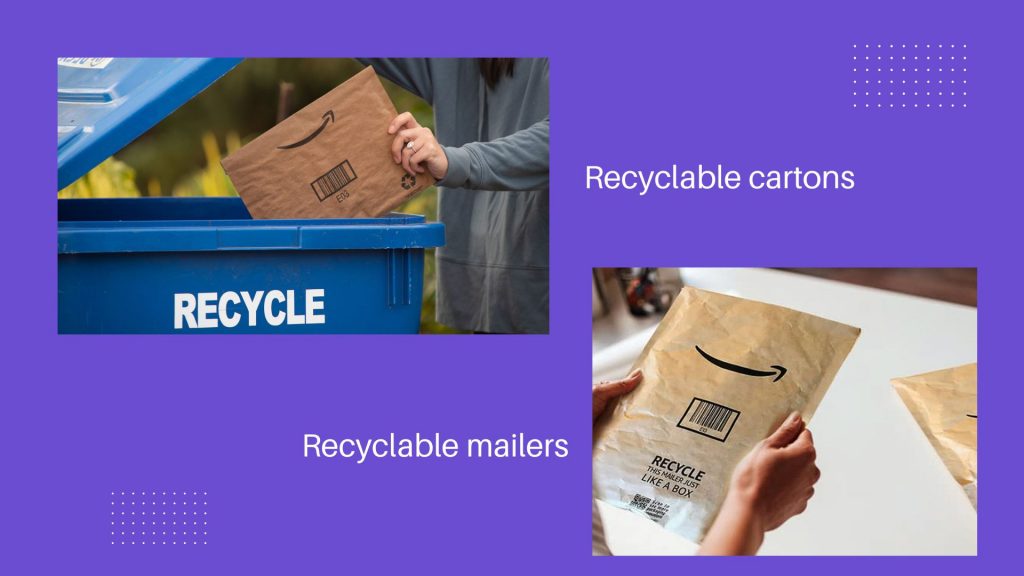
Recyclable mailers & cartons
- Molded pulp inserts
A strong alternative to foam or plastic. They protect fragile items but remain 100% recyclable. In many of our team’s projects, molded pulp helped reduce damage and pass Amazon’s drop-test requirements.
- Paper-Based Void Fill
Kraft paper or honeycomb wrap can replace bubble wrap for many product categories. It’s easier for Amazon to process and keep packaging compliant across different marketplaces.
- Biodegradable Poly Bags
These must still meet Amazon’s suffocation-warning and thickness rules, but they reduce plastic footprint significantly when chosen from certified suppliers.
What is Amazon FFP (Frustration-Free Packaging)?
Amazon’s FFP program rewards brands that use minimal, eco-friendly, and easy-to-open packaging. Even though the program evolves yearly, the core principles remain consistent:
- Packaging must be ready to ship without extra Amazon prep
- Materials should be curbside recyclable (paper preferred)
- Items must pass 6-sided drop tests
- No unnecessary plastic, twist ties, or bulky inserts
Achieving FFP certification often reduces both prep fees and inbound weight charges, which translates into stronger margins.
Why Should Sellers Care?
A compact, sustainable package isn’t just about compliance — it’s about efficiency:
- Lower fulfillment fees thanks to reduced dimensions
- Fewer damages when switching to molded pulp or reinforced paper systems
- Better customer experience, especially for lifestyle and premium brands
- Improved eligibility for future Amazon sustainability programs
From our experience supporting consumer goods brands, the easiest win is simply reducing the outer box size by 10–20%. It immediately lowers costs and usually requires no structural redesign.
Step-by-Step Packing & Prep Workflow for FBA Shipments
Preparing an FBA shipment becomes far easier once you treat it as a repeatable workflow rather than a last-minute task. Below is a streamlined process that keeps your units compliant, your cartons organized, and your inbound check-ins smooth.
Step 1: Prep and Inspect Individual Units
Start by confirming every unit is retail-ready—no dust, dents, or open seals. If items require poly bags or bubble protection, apply them now and ensure any warnings (like suffocation notices) are visible. Many sellers also take a quick photo of the finished unit for internal QC; it helps keep prep consistent over time.
Step 2: Apply the Correct Product Labels
Once each unit is prepped, apply the FNSKU label to a flat, scannable surface. A quick hand-scan test is worth the extra five seconds to avoid later receiving delays. If you use manufacturer barcodes instead, double-check that your listing correctly reflects this choice in Seller Central.
Step 3: Organize Units by Shipment Plan
After labeling, group units according to the shipment plan Amazon assigns. It’s common for one SKU to be routed to two or three different fulfillment centers, so avoid mixing piles or combining units prematurely—this is where most packing mistakes originate.
Step 4: Pack Cartons According to Weight & Dimension Limits
Fill cartons tightly but not excessively, using void-fill only where necessary. Keep each box within Amazon’s weight and dimension rules to prevent rework fees or rejection. A quick shake test—just enough to detect internal movement—is a simple way to ensure nothing shifts during transport.
Step 5: Seal and Label Each Carton
Once packed, seal cartons with strong tape and place the two required shipping labels on opposite sides. Smooth them out so barcodes read cleanly. Before stacking cartons for pickup, perform one more scan test; this small habit consistently improves check-in speed.
Step 6: Finalize the Shipment in Seller Central
Close out the workflow by confirming box contents, downloading labels, and scheduling pickup or drop-off. Many teams keep a simple checklist near their packing area so no step is forgotten—especially useful when multiple staff members handle prep.
Common Mistakes for Sellers
Even experienced FBA sellers slip on packaging rules because many details feel minor—until they trigger check-in delays, rework fees, or customer complaints. Understanding the most common pitfalls helps you build a smoother and more predictable inbound workflow.
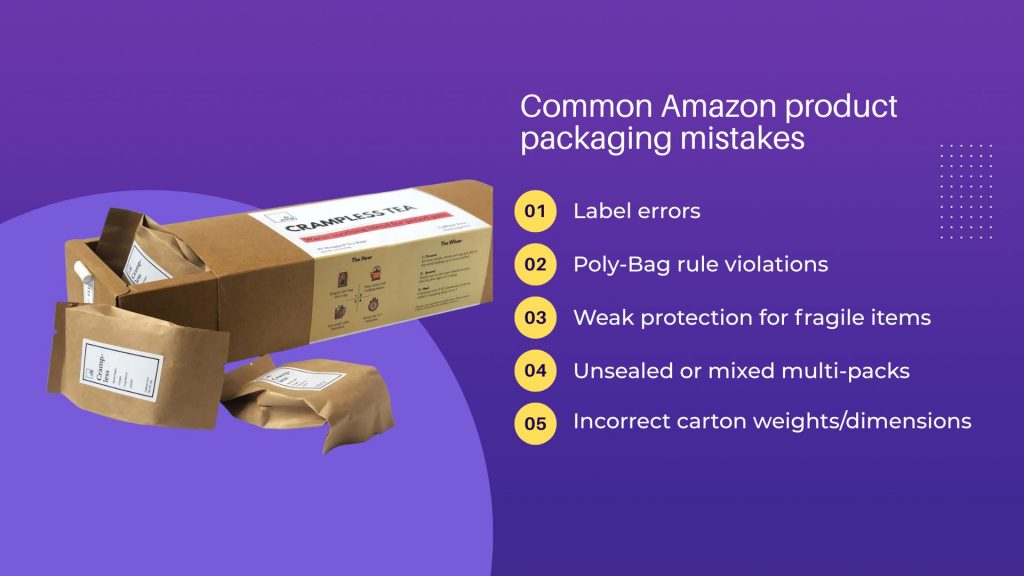
Common Amazon product packaging mistakes
- Incorrect or missing labels: Labels must be clear, flat, and uncovered. Faulty labels cause scanning failures, leading to check-in delays and expensive rework fees.
- Ignoring poly-bag and suffocation-warning rules: Any bag with an opening of 5 inches or more must have a warning label. Bags that are too loose can burst, risking total shipment rejection.
- Poor protection for fragile or irregular items: Simple bubble wrap is often insufficient. Fragile goods need a strong inner box or shaped insert to survive Amazon’s automated sorting machines.
- Mixing units or failing to seal multi-packs: You must seal bundles tightly and clearly use the “Sold as Set” sticker. Forgetting this causes Amazon to break apart your sets accidentally.
- Skipping carton weight/dimension checks: Always measure and weigh your boxes before shipping. Exceeding the 50 lb limit or submitting incorrect dimensions results in immediate fines and shipment holds.
>>> See more: Find Your Million-Dollar Amazon Niche Products in 2025 <<<
Conclusion
Amazon product packaging may seem like a small detail, but it is the biggest barrier between gross sales and your actual net profit on Amazon FBA. Compliance with these rules not only helps your goods get checked in smoothly but also directly protects your margins from unexpected fees, such as rework costs, delays, and oversize shipping penalties. By properly preparing your inventory and understanding the rules, you build a solid foundation for sustainable growth.
If you find the complex rules regarding packaging, labeling, and the overall FBA process overwhelming, or if you want to optimize your entire supply chain, the Zonpal team is ready to assist. Our Consulting & Strategies service will help you build an efficient Amazon operational framework, ensuring strict compliance from the preparation phase to warehouse management, thereby maximizing profitability and mitigating operational risk.