Dropshipping, also known as the “no-inventory” business model, has become one of the most popular ways to start an online business in recent years.
However, when it comes to Amazon, the world’s largest e-commerce platform, many sellers (especially from Vietnam) still wonder:
- “Does Amazon actually allow dropshipping?”
- “If yes, what are the risks and the correct way to do it?”
Let’s explore this topic with Zonpal, a full-service Amazon consulting and operations agency, to understand Amazon’s official dropshipping policy, what’s allowed (and what’s not), and which business model is truly sustainable for Vietnamese brands .
1. What Is Dropshipping?
Dropshipping is a retail business model where the seller does not keep any physical inventory in stock. Instead of purchasing products in bulk or managing a warehouse, sellers list items on their online store and only purchase the product after a customer places an order. Once the order is confirmed, the seller forwards the customer’s details to a third-party supplier or manufacturer, who then ships the product directly to the customer on behalf of the seller.
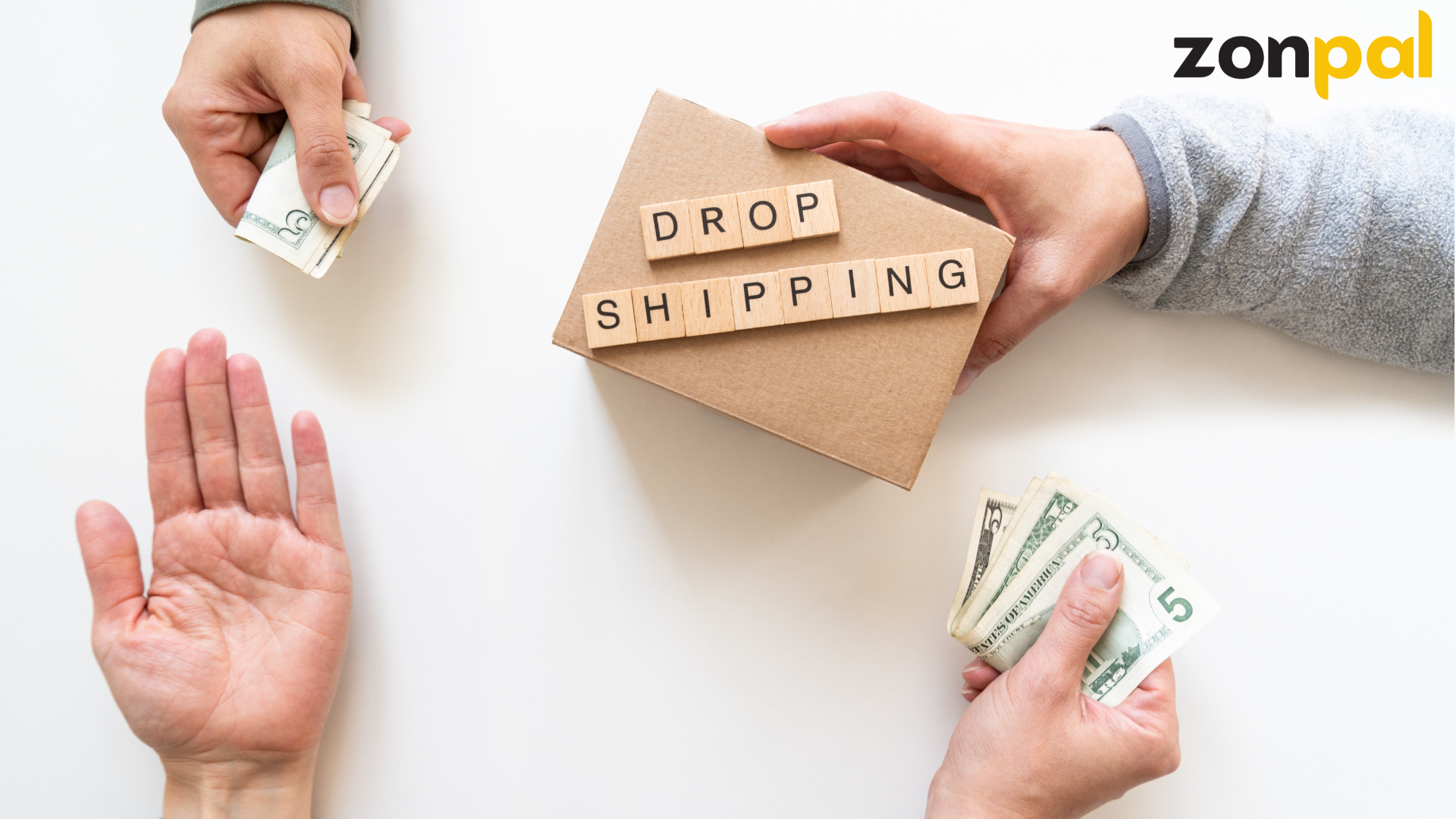
Dropshipping is a business model in which the seller acts as an intermediary in the transaction,connecting the customer with the supplier.
In this model, the seller serves as an intermediary between the buyer and the supplier, focusing on front-end tasks such as marketing, customer acquisition, and product selection, rather than handling production, storage, or shipping logistics. The supplier takes care of the back-end operations: packaging, fulfillment, delivery… while the seller concentrates on building the store’s visibility and driving traffic.
Because of this structure, dropshipping is often seen as an attractive entry point for new entrepreneurs: it requires low startup capital, minimal overhead, and no need for warehouse management. However, this convenience also comes with trade-offs — such as limited control over product quality, inconsistent shipping times, and dependency on external suppliers — all of which can affect customer satisfaction and long-term brand growth.
2. Amazon’s Official Policy on Dropshipping
Amazon does allow dropshipping — but only under very strict and clearly defined conditions. While many new sellers assume that Amazon freely supports this model, the reality is far more complex. The platform has a detailed Dropshipping Policy designed to protect customers and maintain consistent standards across all stores.
To be compliant, sellers must remain the official seller of record for every order, which means that all invoices, shipping labels, and packaging must display the seller’s name — not the supplier’s. In addition, Amazon requires sellers to take full responsibility for every aspect of the customer experience, including order fulfillment, refunds, replacements, and customer service.
This means that you cannot simply buy products from another marketplace like AliExpress, Shopee, or Walmart and have them shipped directly to your customers under someone else’s branding. Doing so is considered a violation of Amazon’s rules and can result in account suspension or permanent deactivation.
In short, Amazon only permits dropshipping when you fully control your supply chain and act as the legitimate business owner — not as a middleman reselling items from other retailers.
According to Amazon’s official Dropshipping Policy, you can only dropship if:
- You are the official seller of record on all invoices, packaging, and shipping documents. Customers must see your name, not the supplier’s.
- You are fully responsible for the order, including handling, returns, refunds, and customer service.
- You cannot purchase from a third-party retailer (like Shopee, AliExpress, Walmart, etc.) and have them ship orders directly to Amazon customers under their name.
In other words:
Amazon only permits white-label or private label dropshipping models, where you represent your brand, not someone else’s.
You must work directly with a legitimate manufacturer or supplier and take ownership of your brand identity.
If you fail to comply, Amazon may categorize your activity as retail arbitrage, which violates their operational policies and can result in account suspension.
To legally and safely do dropshipping on Amazon, you must:
- Build clear agreements with your suppliers.
- Use your own branding information on invoices and packaging.
- Ensure your fulfillment process meets Amazon’s delivery standards.
3. Dropshipping Practices Prohibited by Amazon
Amazon strictly forbids the following activities, which can lead to account suspension or listing removal:
- Buying from other retail marketplaces (e.g., eBay, AliExpress) and shipping directly to Amazon customers.
- Including invoices or packing slips that show the supplier’s name instead of yours.
- Failing to control product quality, delivery time, or return management.
- Using the supplier’s address as the return address instead of your own.
Once Amazon detects that a customer receives a package showing another supplier’s information, your seller account may be flagged, suspended, or permanently banned.
4. Why Dropshipping Rarely Works on Amazon
4.1 Strict Policies
Amazon prioritizes customer experience above everything else. Every stage of the buying journey, from order fulfillment and packaging to delivery and post-sale support, is expected to meet the platform’s exceptionally high standards. Amazon’s success relies on customer trust, which means every seller is held accountable for providing a seamless, professional, and reliable shopping experience.
Unfortunately, the dropshipping model often fails to meet these expectations. Because sellers depend on third-party suppliers for inventory and shipping, delays, miscommunication, and quality inconsistency are common. Packaging errors, late deliveries, and poor product presentation can instantly damage your account health. Even a few negative reviews about slow shipping or inaccurate product descriptions can trigger serious penalties, including listing removal or account suspension.
In short, Amazon’s ecosystem leaves little room for error. Dropshipping, while appealing for its low entry cost, simply doesn’t offer the control or reliability required to maintain the level of customer satisfaction that Amazon demands.
4.2 Intense Price Competition
Dropshipping makes it easy for others to copy your product and strategy. Anyone can source the same items on Alibaba, AliExpress, or 1688. As a result, thousands of sellers end up selling the exact same product with identical photos and descriptions.
This leads to a price war, where sellers keep undercutting each other to win the Buy Box, reducing profit margins to almost zero — or even below operational costs such as ads, platform fees, and refunds.
4.3 Account Risks
Amazon’s automated monitoring systems and AI moderation are notoriously strict. The platform continuously tracks every seller’s performance metrics — including shipping speed, order defect rate, return ratio, and customer satisfaction. Even small deviations from Amazon’s quality standards can raise red flags within the system.
A few negative reviews or low star ratings about delayed shipping, damaged packaging, or unresponsive customer service can quickly impact your Account Health Score. If the algorithm detects repeated issues or perceives your store as unreliable, it may suspend your account without prior warning to protect the customer experience.
Once suspended, the reinstatement process can be long and complicated. Sellers are required to submit detailed appeal letters, corrective action plans, and supporting evidence to prove compliance — and even then, approval is not guaranteed. This strict enforcement reflects Amazon’s core philosophy: customer trust is non-negotiable.
For dropshippers who depend on third-party suppliers, this is especially risky. You have limited control over delivery times and packaging quality, yet Amazon holds you solely accountable for every failure in the supply chain.
4.4 No Brand Building
Dropshipping may help you “sell products,” but it doesn’t help you build a brand. You don’t control the packaging, customer experience, or post-sale engagement.
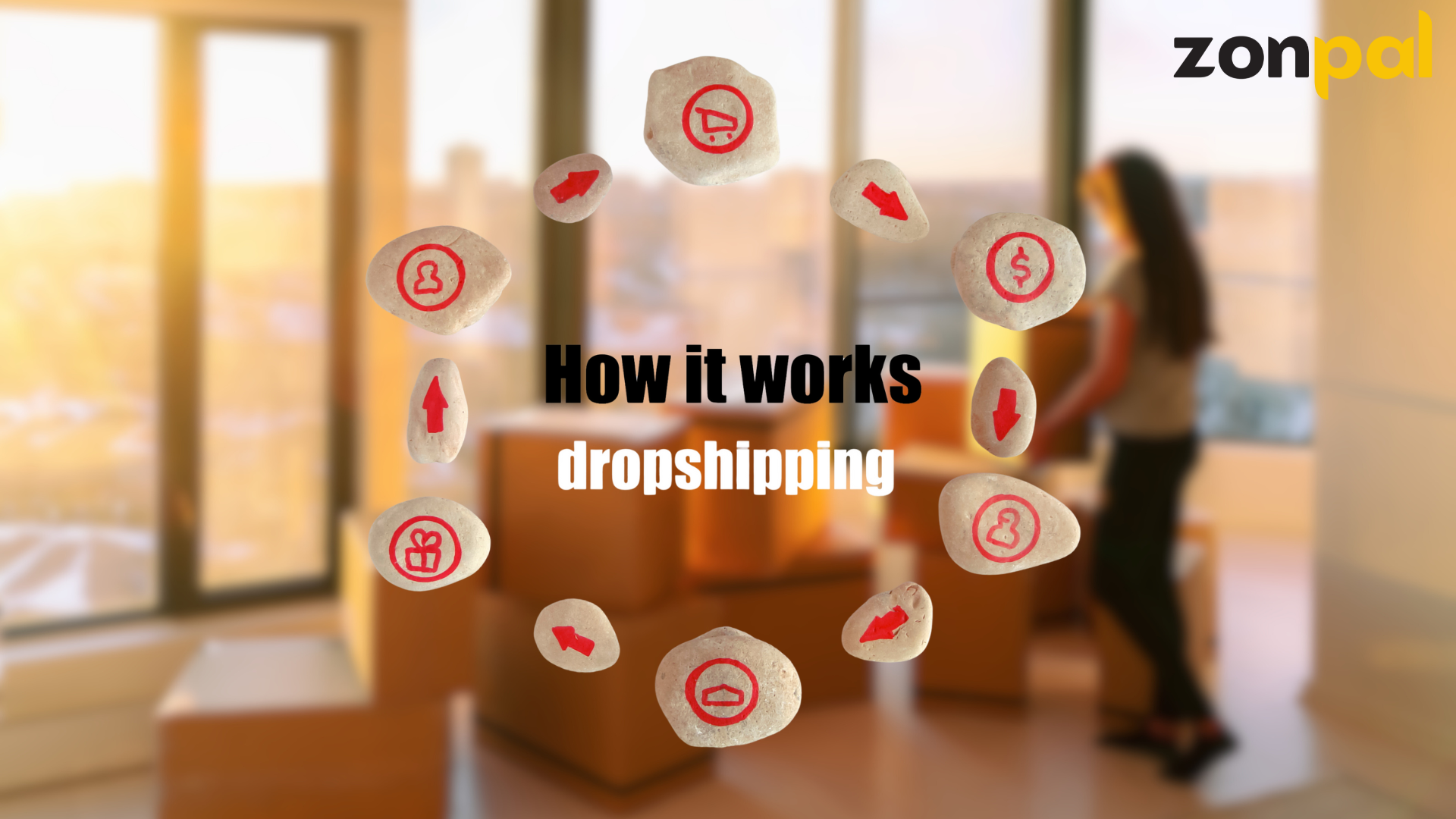
Dropshipping simply helps you sell products, but it does not help you build brand identity.
When customers receive their orders, they remember the product — not you. This means no long-term value, no customer loyalty, and no sustainable growth.
In the end, you are trapped in an endless loop of running ads, cutting prices, and chasing short-term trends — selling, but never building anything lasting.
5. A Better Alternative: Private Label – The Long-Term Amazon Strategy
If you want a sustainable business on Amazon, the Private Label model is the smarter path.
Instead of selling other people’s products, you own your brand — with your own logo, packaging, and product experience.
Benefits of the Private Label Model:
- Build a long-term brand protected under Amazon Brand Registry.
- Gain full control over product quality, pricing, and branding.
- Increase profit margins through differentiated brand value.
- Easily scale with Amazon FBA, PPC, SEO, and A+ Content.
6. Zonpal – End-to-End Amazon Solutions for Vietnamese Sellers
As a Full-Service Amazon Agency, Zonpal doesn’t just explain Amazon’s policies — we help you implement them successfully.
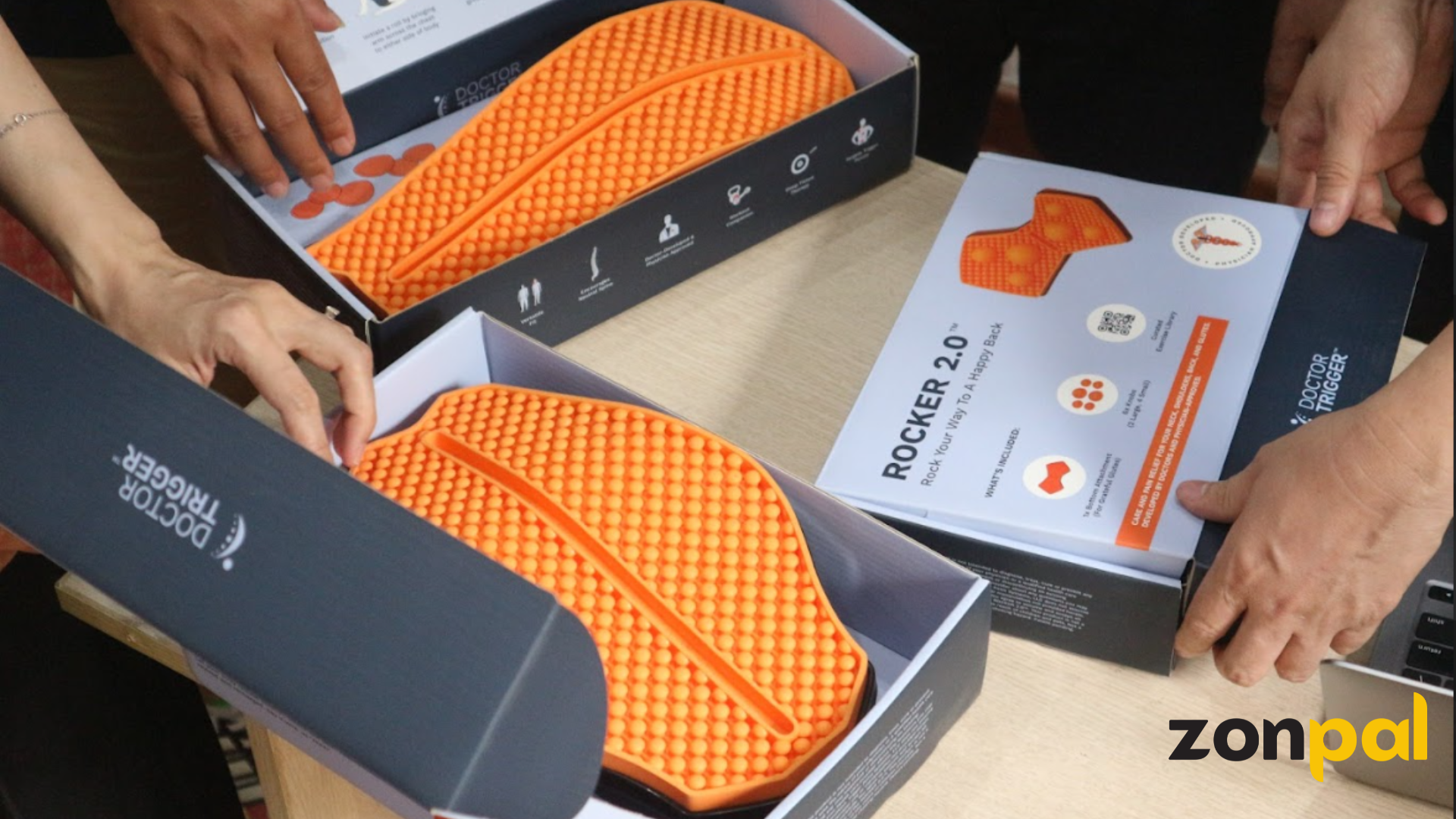
Zonpal carefully studies and analyzes each client’s unique case and situation to develop the most strategic and well-structured solutions.
We’ve supported numerous Vietnamese businesses in transitioning from dropshipping to private label, achieving 3–5x revenue growth within six months.
Zonpal’s Key Services:
- Amazon-compliant store setup and consultation.
- Market and niche research for winning products.
- Private Label brand development: logo, packaging, Brand Registry.
- Listing optimization and A+ Content creation.
- Amazon PPC management and account operations.
Zonpal doesn’t just help you sell on Amazon — we help you build a global brand that grows sustainably, legally, and profitably.
7. Conclusion: You Can Dropship on Amazon, But You Shouldn’t
So, can you do dropshipping on Amazon?
Technically yes — but realistically, no.
While Amazon doesn’t completely ban dropshipping, its rules are so strict that very few sellers can sustain this model in the long run. Between the constant risk of account suspension, unstable profit margins, and the lack of brand ownership, dropshipping has become more of a short-term hustle than a viable business.
If your goal is to build a long-term, scalable business on Amazon, the smarter move is to invest in Private Label combined with Amazon FBA (Fulfillment by Amazon). This model allows you to take full control of your product, pricing, and customer experience — turning a simple online store into a real, defensible brand.
In today’s hyper-competitive e-commerce landscape, owning your brand isn’t just an advantage — it’s your most powerful asset. A recognized brand helps you stand out, protect your listings, and build customer loyalty that lasts.
And that’s where Zonpal comes in. As a trusted Amazon full-service partner based in Vietnam, we help local businesses go global through compliant, data-driven, and scalable strategies. From store setup to branding, SEO, PPC, and FBA operations — Zonpal empowers Vietnamese sellers to build brands that don’t just sell, but truly succeed on the world’s largest e-commerce platform.
Zonpal – From Vietnam to Global
Empowering Vietnamese brands to conquer Amazon with confidence and authenticity.