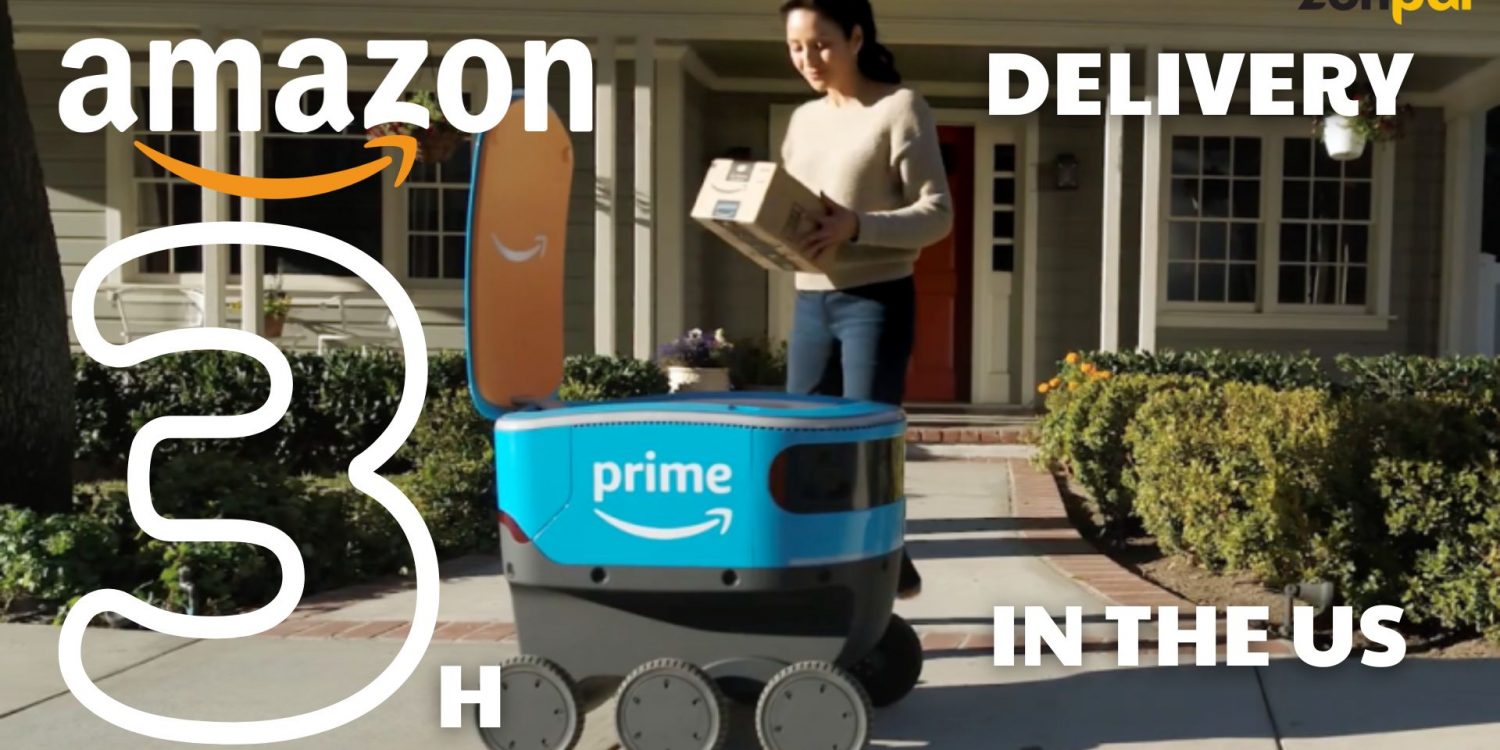
On March 17, 2026, Amazon officially unveiled its latest strategic move in the United States logistics war: the implementation of 1-hour and 3-hour ultra-fast delivery for a massive catalog of over 90,000 products.
This move is not merely about maintaining its lead in the e-commerce sector; it is a decisive counter-offensive against the rapid expansion of rivals like Walmart and Target. From daily essentials and groceries to high-end electronics and home goods, American consumers can now receive their orders as quickly as if they had just stepped out of a traditional supermarket.
1. The “Same-Day Delivery” Infrastructure: Secrets Behind the Speed
While competitors like Walmart and Target leverage their vast networks of physical retail stores to facilitate local delivery, Amazon has doubled down on a specialized system: Same-Day Delivery Centers.
A Closed-Loop Ecosystem
In these specialized hubs, the entire process, from warehousing and sorting to delivery coordination, is executed within a single facility. This vertical integration eliminates the “middle-man” transit phases that typically waste hours in traditional logistics.
The Power of Predictive AI
Amazon utilizes the most advanced Artificial Intelligence algorithms to predict consumer demand at a hyper-local level. By analyzing patterns, Amazon optimizes inventory placement before the customer even hits the “Buy Now” button.
Massive Geographic Coverage
- 1-Hour Service: Now available in hundreds of major metropolitan hubs, including Chicago, Washington D.C., Los Angeles, and New York.
- 3-Hour Service: Successfully expanded to over 2,000 communities across the United States, effectively covering the majority of the Prime-subscribing population.
2. The “Three-Horse Race” and the Shift in Consumer Behavior
The US retail market in 2026 has officially entered the era of Instant Gratification. The competition is no longer about who has the most inventory, but who can put that inventory on the customer’s doorstep the fastest.
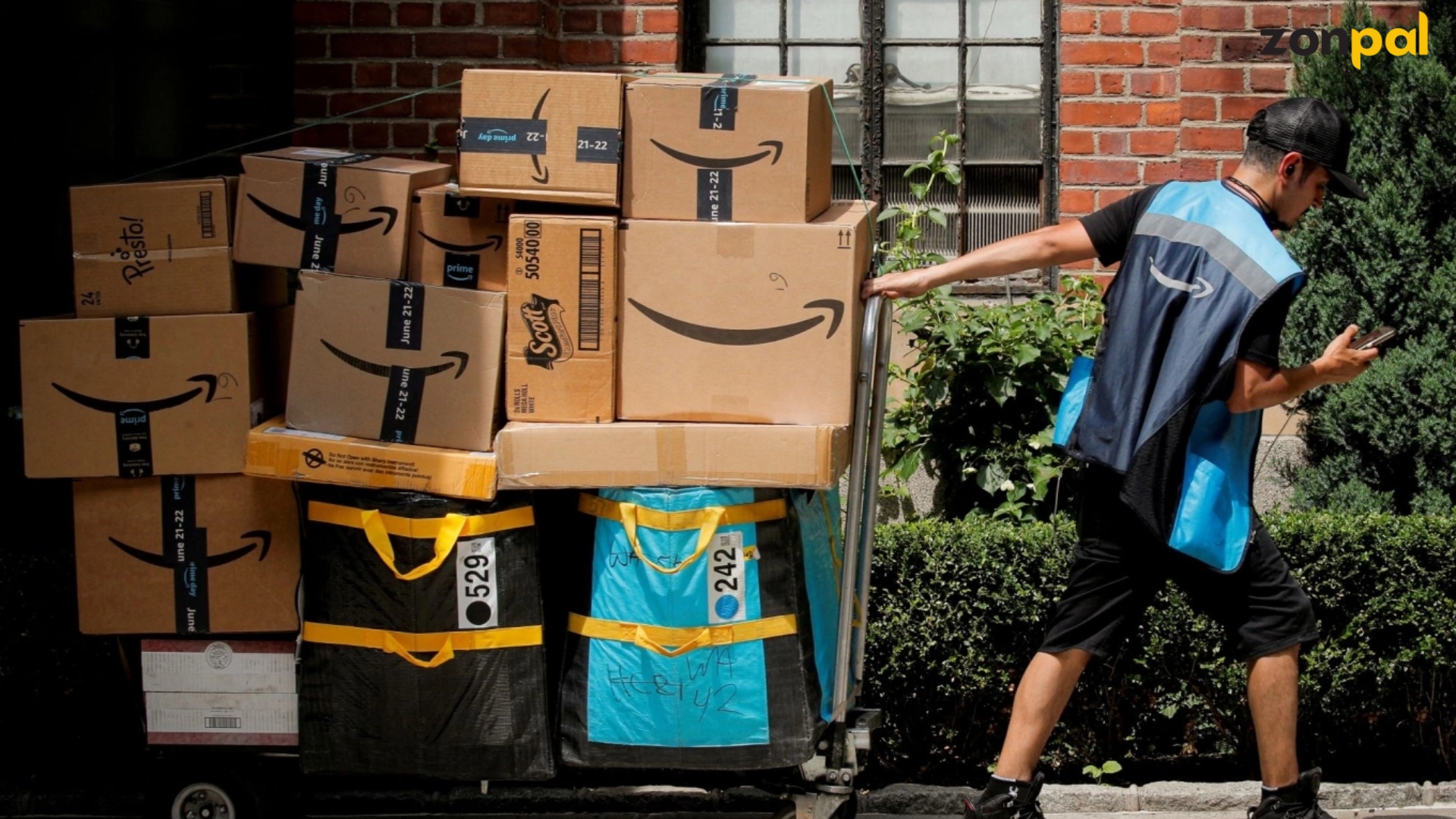
Who can put that inventory on the customer’s doorstep the fastest?
2.1. The Titans of Speed: Weapons of Survival
Each “Big Three” player is leveraging unique strengths to capture the consumer’s most precious asset: time.
|
Titan |
Strategic Advantage | 2026 Status |
|
Walmart |
90% of Americans live within 10 miles of a store. |
Converted stores into “Mammoth” Fulfillment Centers. |
| Target | Seamless omnichannel experience for the middle class. | Focuses on high-touch “Drive Up” and same-day home delivery. |
| Amazon | The “Logistics Standard-Setter” via Amazon Now. |
Goal: Deliver groceries and essentials in 30 minutes. |
2.2. Consumer Psychology 2026: “I Want It Now”
The explosion of delivery speed reflects a profound shift in human behavior:
- Declining Patience: In a world dominated by TikTok and short-form content, consumer patience for shipping has hit an all-time low. While “Price” remains relevant, “Immediacy” is the new driver of loyalty.
- Time as a Premium Commodity: Modern consumers are willing to pay a premium fee (or subscribe to Prime/Walmart+) to “buy back” their time. Speed has transitioned from a luxury to a mass-market utility.
3. Global Impact: Why Vietnamese Exporters Must Adapt
The logistics race in the US creates significant challenges but also “Golden Opportunities” for Vietnamese export businesses and Amazon Sellers.
The Necessity of Domestic Warehousing (FBA/WFS)
To survive in this high-speed ecosystem, the “Ship-from-Vietnam” model for individual orders is becoming obsolete for top-ranking products. Utilizing FBA (Fulfillment by Amazon) or WFS (Walmart Fulfillment Services) is now a prerequisite for your product to appear in “Fast Delivery” search filters.
Packaging and Logistics Optimization
Delivering a product in 30 minutes or 3 hours requires professional-grade packaging.
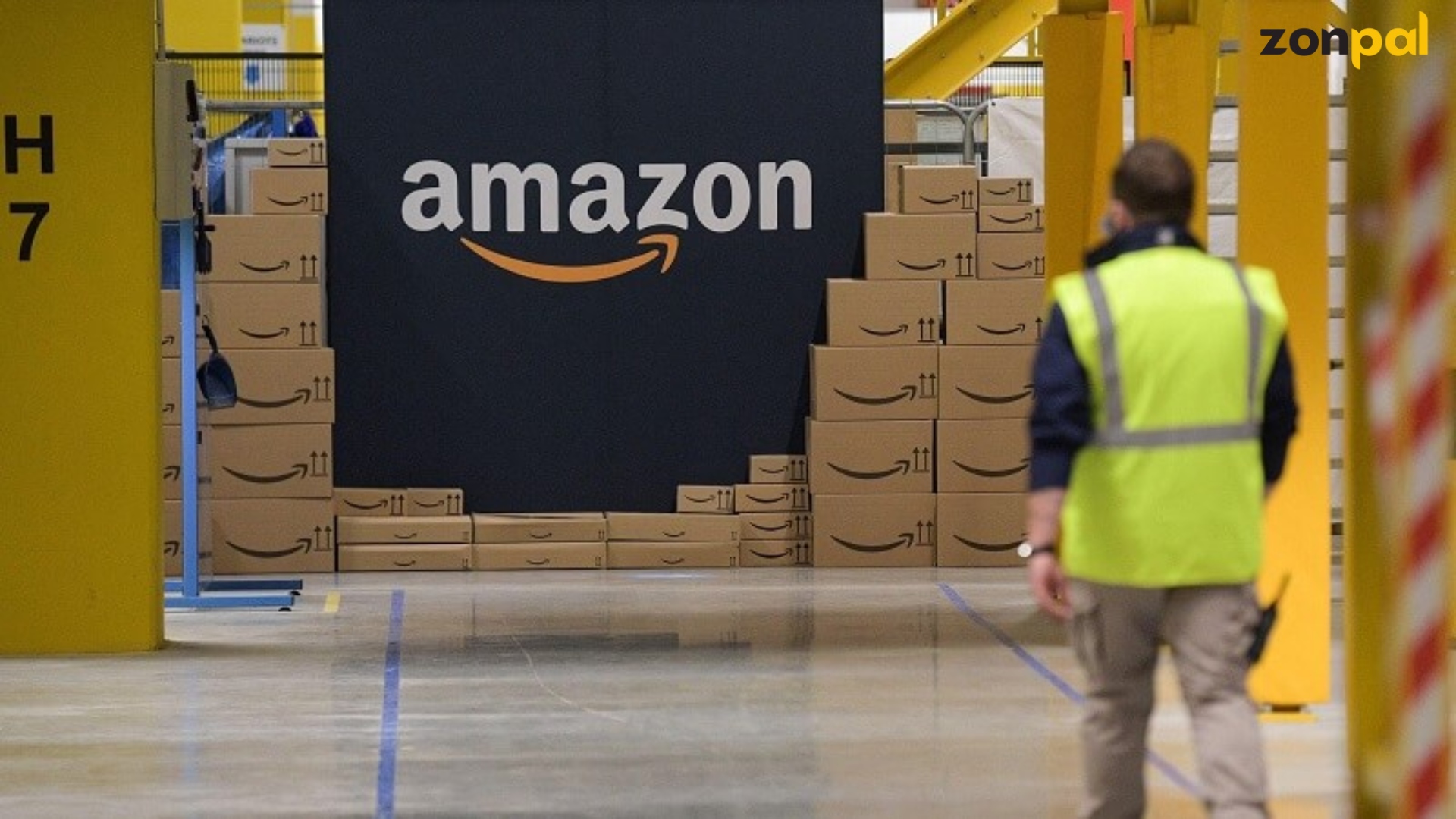
The “Last-Mile” journey is high-intensity; products must be able to withstand rapid sorting and transit without damage.
AI-Driven Demand Forecasting
Sellers must use data to know which states (e.g., Louisiana vs. California) are buying specific models. Positioning stock in the right regional warehouse before the demand peaks is the difference between a Best Seller and a stagnant listing.
Zonpal Amazon Agency: Helping Vietnamese Brands Hit the “1-Hour Rhythm”
As Amazon accelerates, products available in FBA warehouses receive absolute priority in visibility. Zonpal Amazon Agency is the dedicated partner helping Vietnamese businesses master this transition:
- Optimal FBA Strategy: we advise brands on selecting high-turnover categories (Home, Beauty, Electronics) for the “Ultra-Fast” catalog to capture high-spending Prime members.
- Data-Driven Inventory Management: By integrating Amazon’s AI metrics, Zonpal helps you plan inventory precisely, avoiding the dreaded “Out of Stock” status that kills search rankings.
- Conversion Optimization (A+ Content): When a customer needs something in 1 hour, they decide fast. Zonpal crafts high-impact A+ Content and visual assets that drive instant “Add to Cart” decisions.
- Brand Authority: Having your product featured in the 1-3 hour delivery tier is an immediate badge of operational excellence and reliability.
Amazon is ready to deliver in 1 hour. Is your business ready to be on the FBA shelf? Let Zonpal lead the way.
4. The Economics of Speed: Service Fees and Prime Value
Amazon’s pricing strategy for ultra-fast delivery is a sophisticated economic algorithm designed to maximize Customer Lifetime Value (LTV).
4.1. The “Premium User” Funnel
Amazon uses fees to segment customers based on their Willingness to Pay:
- Prime Members: With fees starting as low as $4.99, Amazon makes convenience an “offer too good to refuse.” This reinforces the “get my money’s worth” mentality, driving higher order frequency.
- Non-Prime Members: Fees of $14.99 – $19.99 act as a psychological barrier. These are not profit centers; they are conversion triggers designed to say: “If you want convenience, join Prime.”
4.2. Offsetting “Last-Mile” Burdens
1-3 hour delivery is the most expensive segment of retail. These fees help Amazon manage the operational weight:
- Satellite Warehousing: To deliver in 1 hour, goods must be in “Micro-Fulfillment” centers within urban cores. The real estate and dedicated “on-call” driver costs are immense.
- Order Density Optimization: Service fees allow Amazon to regulate demand.
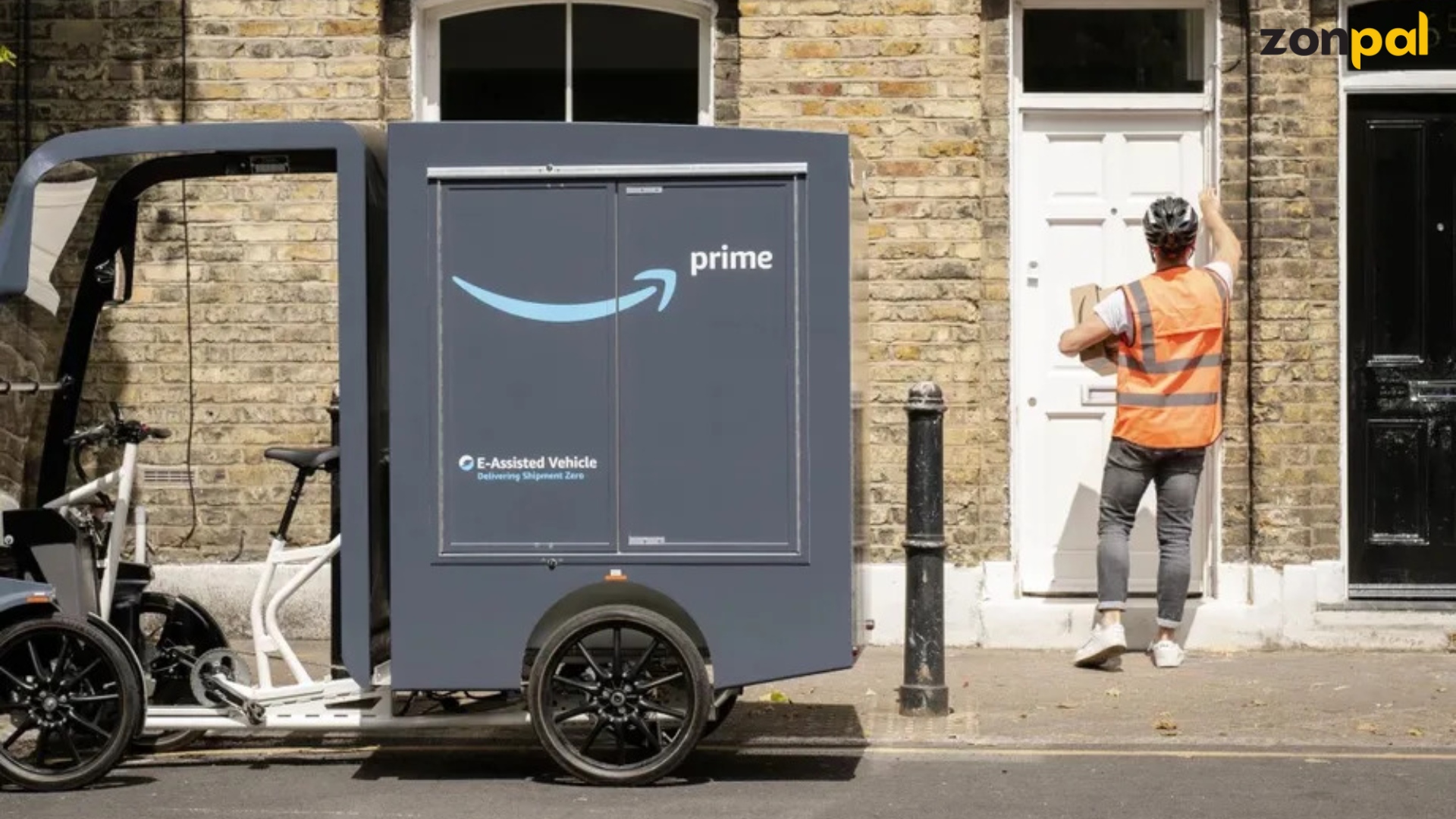
When customers pay for speed, Amazon can optimize short-route delivery windows, reducing “dead time” for vehicles.
4.3. The “Lock-in” Effect
Once a customer pays for Prime and experiences 1-hour delivery, they enter a behavioral loop:
- Need Arises: Requires an item immediately.
- Comparison: Walmart offers 3 hours; Amazon offers 1 hour at a lower member price.
- Decision: Chooses Amazon.
- Result: Data flows to Amazon’s AI (Rufus), allowing for even more precise product recommendations in the future.
Conclusion: The Mandate for 2026
The 1-3 hour delivery service by Amazon is an inevitable evolution in the age of “Instant Commerce.” For Vietnamese Sellers, this is a clear signal: utilizing FBA and optimizing your US-based supply chain is no longer an “option”, it is a requirement for survival and growth on Amazon in 2026.
The race is on. Those who can bridge the gap between a factory in Vietnam and a doorstep in Chicago in under 3 hours will be the titans of the next decade.