On April 15, 2026, a date usually associated with tax deadlines in the US, a different kind of financial reckoning took place. Hundreds of elite e-commerce entrepreneurs, led by the influential Million Dollar Sellers (MDS) community, executed a coordinated 24-hour boycott of the Amazon Advertising (PPC) platform.
This wasn’t just a symbolic protest; it was a desperate alarm bell. For the first time, the “Quiet Squeeze” that Amazon has applied to its third-party merchants became a public outcry. Sellers are caught in a lethal “Cost Pincer”: the simultaneous rise of global energy prices due to Middle Eastern conflicts and Amazon’s aggressive new internal policies that drain working capital.
1. The “Cost Pincer”: Taxes, Energy, and the 3.5% Surcharge
In the 2026 economic landscape, Amazon sellers are facing a double-sided squeeze.
We call this the “Cost Pincer”, where global macro-shocks meet rigid platform micro-policies.
1.1. The Macro-Grip: Energy and Geopolitics
Factors outside a seller’s control have created a volatile foundation:
- The Middle East Conflict & Oil Prices: Ongoing tensions in West Asia have sent oil prices soaring. This isn’t just a pump price issue; it has radically increased Sea and Air Freight costs. For heavy or bulky goods, every fuel adjustment pushes the Cost of Goods Sold (COGS) toward a breaking point.
- The Tariff Burden: New import tariffs introduced in early 2026 have made shipping goods into US and Canadian FBA warehouses significantly more expensive, forcing sellers to choose between price hikes or total margin absorption.
1.2. The Micro-Grip: Amazon’s 3.5% “Temporary” Surcharge
Directly answering the energy crisis, Amazon implemented a 3.5% Fuel and Logistics Surcharge on April 17, 2026.
- A Tax on Fulfillment, Not Price: It is crucial to understand that this 3.5% is calculated on the Fulfillment Fee, not the retail price. While it averages about $0.17 per unit for standard items, the cumulative effect for a high-volume brand is staggering.
- The Margin Erosion: For brands operating on slim 10–15% net margins, an additional 3–5% operational cost increase can effectively erase nearly half of the actual profit, leaving businesses “selling more but seeing less.”
2. The Breaking Point: The “Cash Flow Crunch” Policy
While surcharges are painful, the real catalyst for the April 15 Boycott was Amazon’s move to overhaul its advertising payment system.
The Shift from Credit to Balance
Amazon initially intended to eliminate credit card payments for Sponsored Ads on April 15, moving toward an automatic deduction from seller disbursements (Account Balance).
- The Loss of the “Float”: For years, savvy sellers used the 30-day billing cycle of credit cards as a form of short-term interest-free financing. Running an ad in March and paying for it in late April allowed brands to earn revenue before the expense left their bank.
- The Loss of Rewards: Sellers also lost 2-2.5% in cashback rewards, a “hidden margin” that many relied on for bonus profitability.
The Partial Retreat
Following the fierce pushback from the MDS community, Amazon “hit pause” on the transition, deferring the mandatory shift until August 1, 2026.
Zonpal’s Note: While the delay to August 1st provides breathing room, the “Cost Stack” remains. Amazon’s offer of $12,500 in click credits ($2,500/month for 5 months) is a welcome cushion, but it doesn’t solve the underlying structural shift away from credit card leverage.
Zonpal Amazon Agency: Navigating the Policy Storm
In an ecosystem where the “rules of the game” change overnight, fighting alone is a high-risk strategy. Zonpal Amazon Agency provides the shield and the sword for brands facing these pressures:
- ACOS/ROAS Optimization: When ad spend is deducted directly from your balance, every cent must perform. Zonpal restructures your campaigns to eliminate waste, ensuring your PPC is a profit center, not a capital drain.
- Advanced Cash Flow Management: We help brands recalibrate their financial roadmaps, calculating the “New Break-even” points after accounting for the 3.5% surcharge and the loss of credit card floats.
- Maximizing the $12,500 Credit: Our team ensures your brand captures and utilizes every dollar of the Amazon transition credits to offset the Q3 and Q4 2026 operational hikes.
- Building “Organic Armor”: We focus on long-term brand equity and customer loyalty (A+ Content, Brand Story), reducing your absolute dependence on paid traffic during high-cost windows.
3. The Boycott: A Warning on Sustainability
The boycott organized by Eugene Khayman and the MDS community was a message about Valuation. “These businesses once sold for 8x earnings; now many are closer to 3x,” Khayman noted.
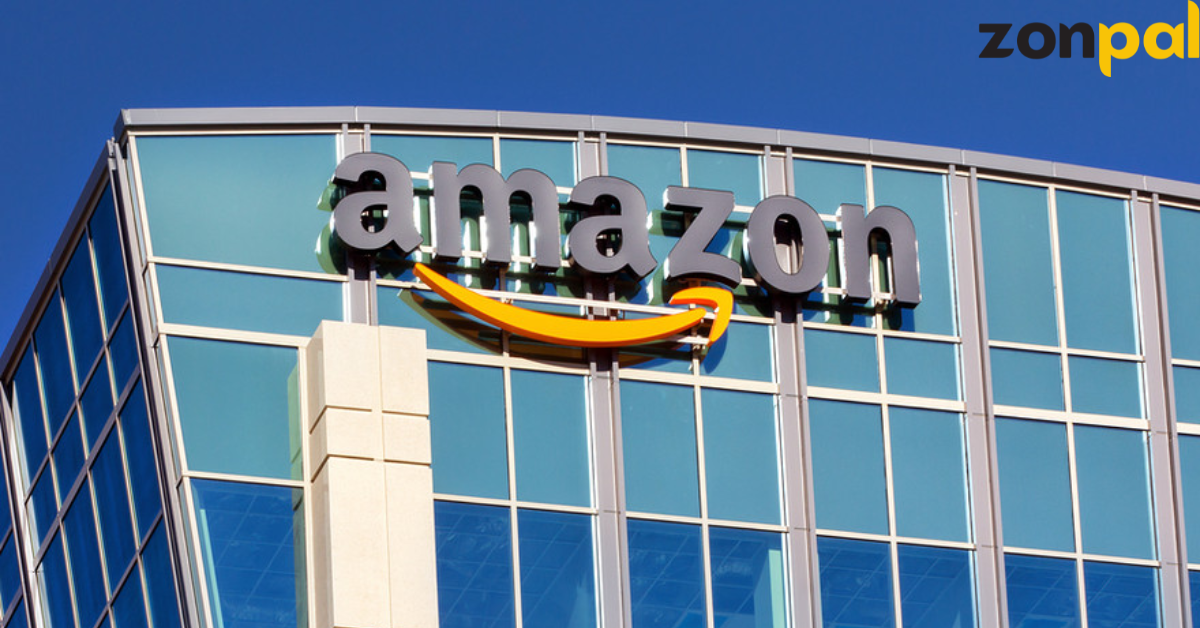
The constant policy shifts are making Amazon businesses harder to value and riskier to hold.
The Double-Edged Sword of Boycotting
While the protest was successful in delaying the payment policy, total ad boycotts are risky for individual sellers:
- Ranking Suicide: Amazon’s algorithm favors stability. Turning off ads leads to a sudden drop in Click-Through Rate (CTR) and Sales Velocity.
- The “Recovery Cost”: Reclaiming a lost Page 1 position after a boycott can cost 2–3 times more in PPC spend than it would have to maintain a baseline presence.
4. Strategic Outlook: Adaptation Over Protest
The August 1, 2026, deadline for Amazon’s ad payment shift is a critical juncture that demands a transition from reactive protest to strategic adaptation, the winners will be those who adapt rather than those who simply resist.
4.1. Diversify Channels: Building a “Multi-Node” Ecosystem
Relying solely on Amazon in 2026 is no longer just a risk; it is a strategic bottleneck. Diversification isn’t about leaving Amazon, it is about diluting its leverage over your business.
- TikTok Shop Integration: Utilize the viral nature of “Shoppertainment” to drive impulse buys. TikTok’s lower entry barriers for creative content complement the high-intent search traffic on Amazon.
- The Shopify + Buy with Prime Strategy: Strengthen your independent storefront. By utilizing Buy with Prime, the website can offer the same trusted checkout experience as Amazon while you retain 100% of the customer data, data that is essential for long-term brand loyalty.
4.2. Optimize Packaging: The War on “Dimensional Weight”
With the 3.5% surcharge being calculated on fulfillment fees, logistics is now a game of millimeters. In a robot-driven warehouse environment, “air” is your most expensive inventory.
- Custom-Fit Engineering: Standard boxes often contain 20–30% wasted space. Moving to custom-molded, eco-friendly inserts for your business ensures maximum protection with minimum volume.
- The “Standard-Size” Threshold: Analyze your SKUs. If a product is just 1 cm over the “Standard” limit into “Oversize,” your fees could double. Redesigning packaging to stay under these thresholds is the most effective way to “cancel out” Amazon’s fee hikes.
Conclusion: The Era of Financial Maturity
The 2026 Amazon Ads Boycott is a milestone in the history of e-commerce. It signals that Amazon is no longer just a marketplace; it is an infrastructure provider that can squeeze its tenants at will.
For the modern seller, success is no longer just about having a great product, it is about Financial Management. With the right strategy and a partner like Zonpal Amazon Agency, you can turn these policy shifts into a competitive advantage by operating more efficiently than those who simply complain.
The storm is here. Is your brand anchored?