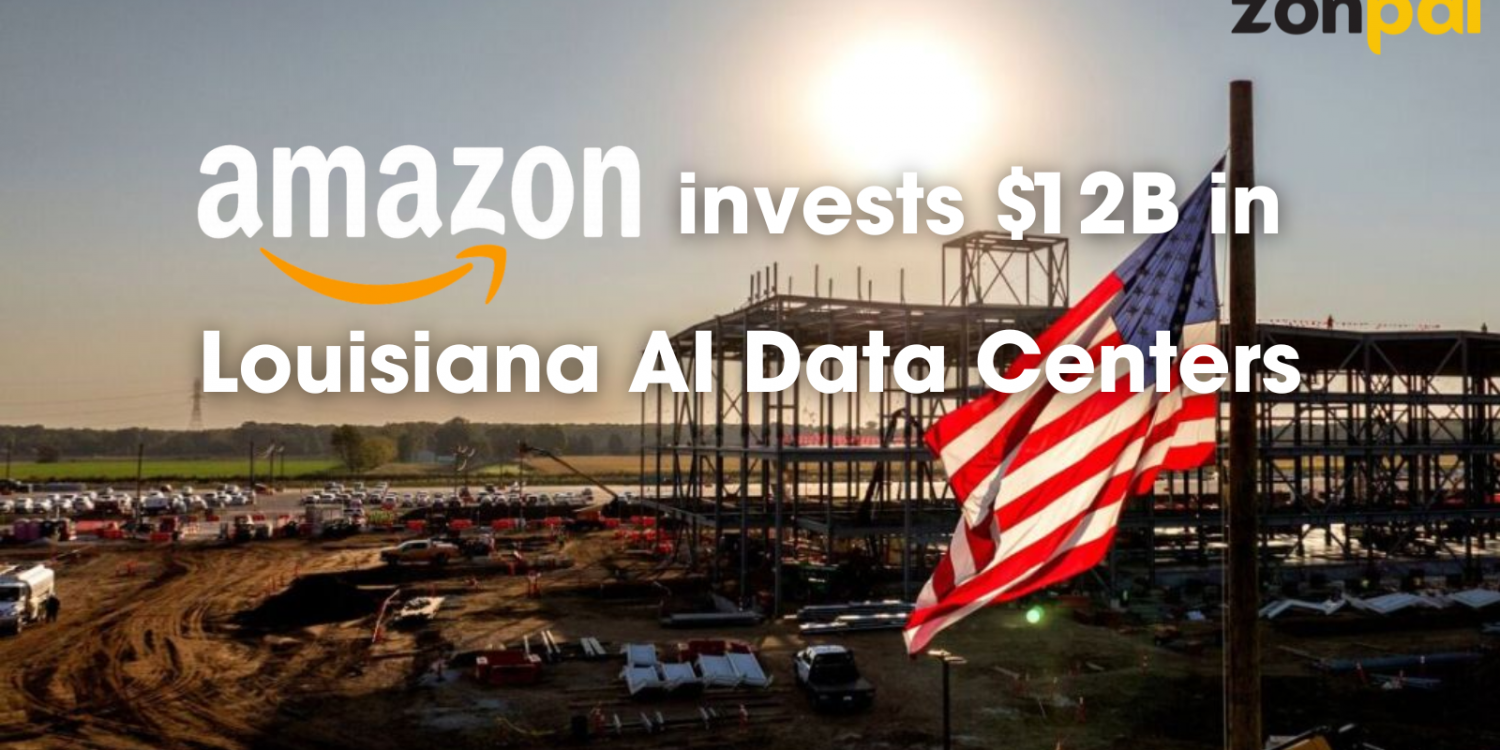
In a move that has sent shockwaves through both the technology and financial sectors, Amazon officially announced on February 23, 2026, its plan to invest $12 billion into state-of-the-art data center infrastructure in Louisiana, USA.
This gargantuan investment is strategically focused on establishing data center complexes within Caddo and Bossier Parishes in Northwest Louisiana. These facilities are designed to meet the exploding global demand for cloud computing and provide the raw computational power required to train and deploy the next generation of Generative AI models.
However, this $12 billion project is merely one piece of a much larger puzzle. It represents the spearhead of Amazon’s record-breaking $200 billion capital expenditure (Capex) plan for 2026, a figure that cements Amazon’s status as the undisputed leader of the “Hyper-scaler” era.
1. AI Infrastructure: The Skeleton of a $717 Billion Empire
In the fierce technological arms race of 2026, infrastructure is the new currency. By announcing a $200 billion Capex plan, Amazon has set a “gold standard” that its competitors are struggling to match.
For Amazon, this $200 billion is not merely an operational cost; it is a calculated bet on the Operating System of the Future. Amazon is building a world where AI doesn’t just answer questions—it executes trades, manages global supply chains autonomously, and predicts consumer desires before they are even articulated.
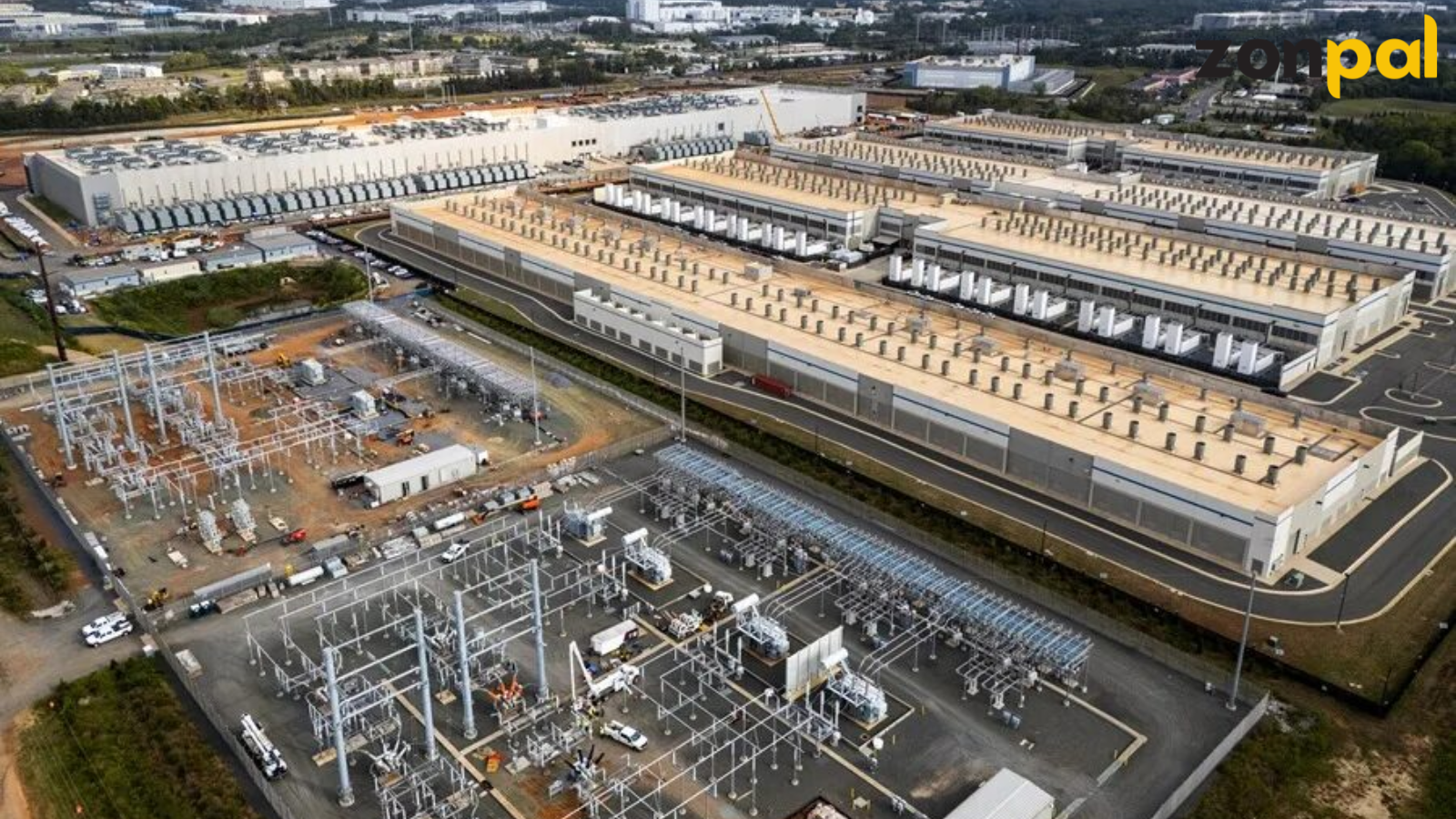
Amazon Invests $12B in Louisiana AI Data Centers
Expert Analysis by Zonpal Agency:
The decision to pour hundreds of billions into chips, data centers, and networking equipment serves four critical strategic goals:
- Latency-Free AI Processing: Ensuring that consumer-facing AI tools like Rufus (the shopping assistant) and Creative Agent (the advertising assistant) operate with zero lag across the globe.
- Strategic Territory Dominance: Louisiana is becoming the new “Mecca” of data. By moving into the same region where Meta has launched its $27 billion Hyperion project, Amazon is securing its share of North American energy and fiber resources.
- Logistics Perfection: Powerful AI allows for “Anticipatory Shipping.” With more data centers, Amazon’s FBA (Fulfillment by Amazon) network can predict order surges with near-perfect accuracy, reducing delivery times to minutes in major hubs.
- Cost Reduction through Vertical Integration: By building their own data centers and designing their own AI chips (like Trainium and Inferentia), Amazon reduces its long-term dependence on third-party hardware providers.
2. Wall Street’s Skepticism vs. Amazon’s Unwavering Resolve
In the sophisticated theater of global finance, long-term conviction is frequently besieged by the relentless demands of short-term volatility. This tension reached a fever pitch following Amazon’s February 2026 financial report.
The primary source of friction lies in Amazon’s staggering Capital Expenditure (Capex) budget of $200 billion for the fiscal year. To Wall Street, this figure represented a daunting departure from the disciplined cost-cutting measures seen in previous cycles.
Short-term Pressure and the FCF Dilemma:
Analysts and institutional investors initially reacted with visceral concern.
The sheer magnitude of the spending sparked fears of a significant dip in Free Cash Flow (FCF). In the zero-sum game of quarterly earnings, Wall Street questioned the immediate “Return on Investment” (ROI) of pouring hundreds of billions into “Mammoth” data centers, custom silicon (Trainium and Inferentia chips), and the ambitious Project Kuiper satellite constellation.
Strategic Consistency as a Competitive Moat:
Undeterred by the temporary erosion of its market capitalization, Amazon’s leadership remains steadfast.
Their philosophy is an evolution of the “Day 1” mentality: In the emerging power structure of the 21st century, the entity that owns the AI infrastructure fundamentally owns the keys to global commerce.
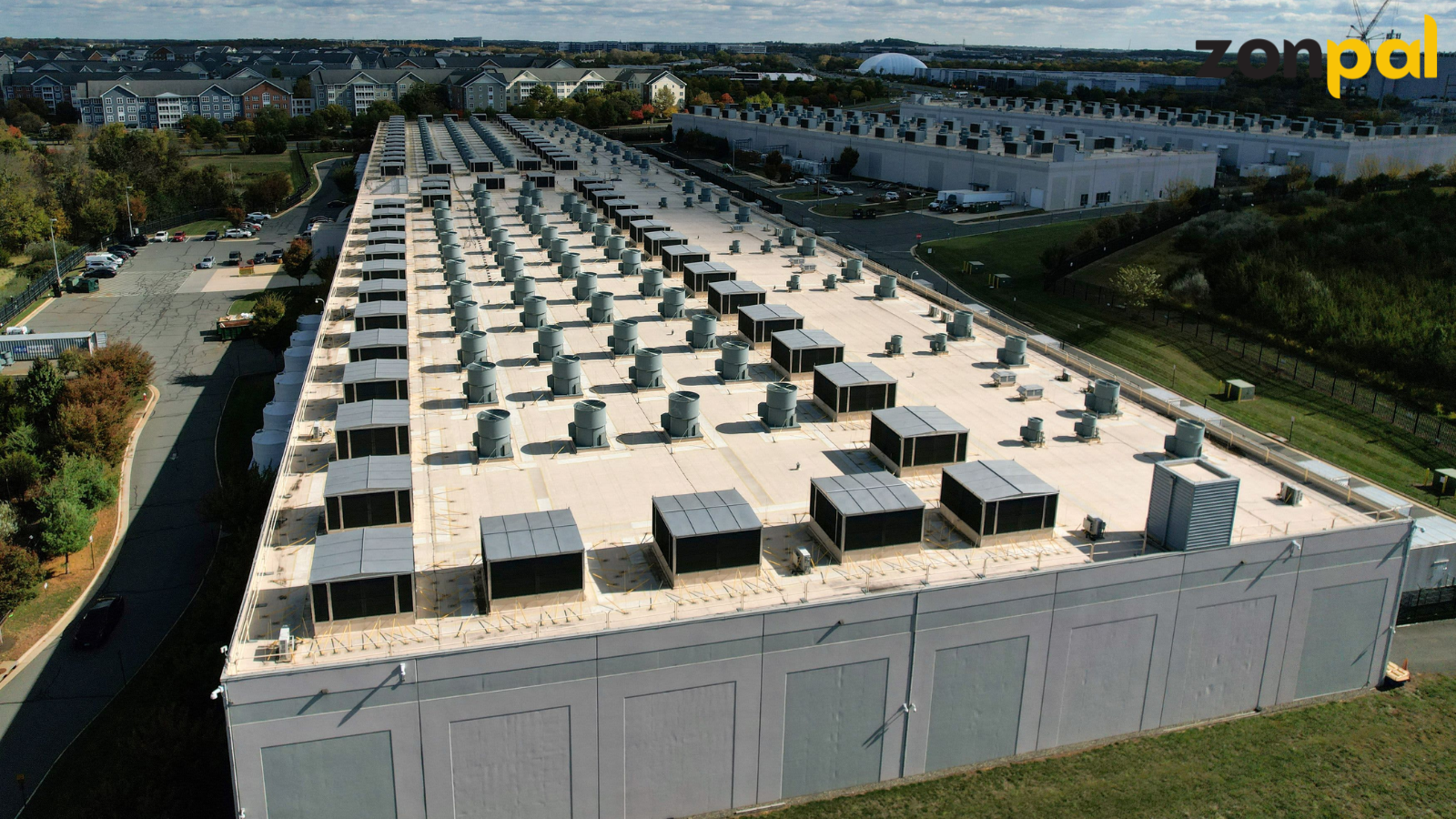
Amazon is not merely building servers; it is constructing the “operating system” for the future of trade.
By sacrificing short-term optics for long-term dominance, Amazon is positioning itself as the landlord of the digital economy, where every AI-driven transaction must eventually pass through its pipes.
The “Mammoth” Impact: Social and Economic Metamorphosis
The $12 billion Louisiana project serves as a definitive case study for Amazon’s global network of “Mammoth Data Centers.” These structures are far more than passive digital warehouses; they are sophisticated economic engines that recalibrate the regions they inhabit.
While the market fixates on the fluctuations of the current quarter, Amazon is busy pouring the concrete for the world’s digital foundation.
By the time the ROI becomes clear to the skeptics, the “Mammoth” infrastructure will likely have created a barrier to entry so high that no competitor can scale it.
3. Zonpal Agency: Leveraging a $200B Wave for Your Sales
As Amazon invests billions into AI, the search and advertising algorithms on the marketplace are undergoing a radical evolution. Manual, “old-school” selling methods are becoming obsolete. Zonpal Amazon Agency is your partner in riding this technological wave.
How We Harness Amazon’s AI Investment for You:
AI-Enhanced Listing Optimization: We leverage the very same AI advancements being fueled by these data centers to optimize your product listings, ensuring they are perfectly indexed by Amazon’s new semantic search engines.
“Agentic” Advertising Strategies: Utilizing tools like Creative Agent (which runs on the powerful AWS infrastructure), Zonpal helps you generate professional video and image campaigns at a fraction of the traditional cost, with higher conversion rates.
Predictive Market Analysis: By utilizing AWS-powered big data analytics, we forecast trends in the US market. For Vietnamese and international sellers, this means knowing exactly what to stock and when to ship to avoid FBA overstock fees while never missing a peak.
Early Access to Smart Features: As Amazon rolls out new AI-driven selling tools, Zonpal-managed brands are the first to be updated and trained, allowing you to stay three steps ahead of the competition.
4. The Clash of the Titans: Why Amazon Holds the Edge
Amazon is not alone in this race. Microsoft and Google are also forecasting record-breaking spends, with a combined total of nearly $700 billion expected to be poured into tech infrastructure in 2026.
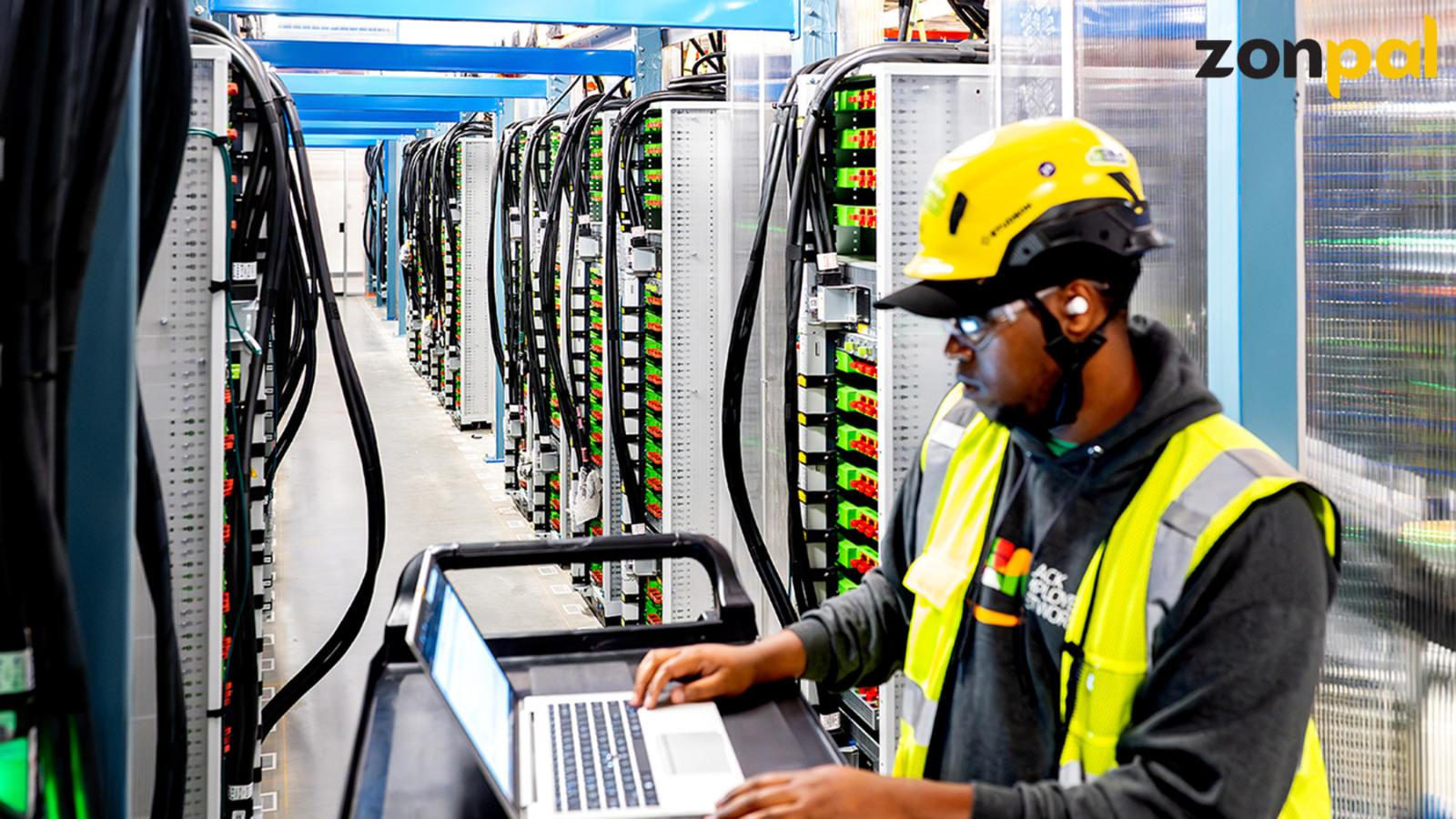
Amazon possesses a “Vertical Advantage” that its peers lack
The Integrated Loop: Microsoft and Google primarily sell software and cloud services. Amazon is the only giant that successfully integrates Cloud (AWS), Retail, and Logistics (Global Delivery) into a single feedback loop.
Direct Consumer Touchpoints: Through millions of Alexa devices, Ring cameras, and the retail site, Amazon gathers “Real-World Data” that makes its AI training more practical and commercially applicable than purely theoretical models.
Why Louisiana?
The choice of Louisiana is a strategic masterpiece.
Energy Abundance: AI data centers are energy-hungry. Louisiana offers a stable, abundant energy infrastructure.
Pro-Business Environment: Tax incentives and streamlined regulatory pathways provided by the state government have created a “green corridor” for tech giants.
Geographic Stability: Located away from the high-cost and high-seismic zones of the West Coast, Northwest Louisiana offers a secure, cost-effective base for mammoth-scale operations.
5. Conclusion: The Era of “Automated Commerce” has Arrived
The $12 billion investment in Louisiana is a thunderous message to the world: Amazon will not stop until AI is woven into every single thread of the shopping and technology experience.
For sellers, this is the ultimate signal. The era of “guessing” what customers want is over. We have entered the Era of Data and Automation. Whether you are an established brand or an emerging seller, the infrastructure is being built right now to support your global expansion.
The question is: Is your business ready to plug into this $200 billion engine?