As we navigate the opening months of 2026, the e-commerce landscape has undergone a brutal evolution. The era of winning through simple ad-hacks or “burning cash” for visibility has officially ended.
A grim reality has set in for thousands of sellers: Many businesses are trapped in a cycle of “Customers Leasing” from technology platforms rather than actually owning them. The moment the advertising budget dries up, the customer flow vanishes instantly. This persistent “pain point” has left profit margins thinner than ever, forcing a radical rethink of what it means to manage an e-commerce storefront.
1. The “Customer Leasing” Trap: The Hidden Cost of Pure Advertising
In 2026, e-commerce management often falls into a paradox known as the “Customer Leasing Trap.” This is a state where a business falsely believes it has a loyal customer base, when in reality, it is merely paying a premium to “rent” temporary attention from consumers.
When a brand pours 100% of its resources into Pay-Per-Click (PPC) and Social Ads while neglecting brand equity, they are engaging in high-risk, short-term transactions. In this model, an order is not the beginning of a relationship; it is an expensive expense to “buy” a single touchpoint.
Read more:
What is Amazon PPC? A Comprehensive Guide to Pay-Per-Click Advertising in 2026
In the hyper-saturated marketplace of 2026, we are witnessing a profound psychological shift in consumer behavior. As AI-driven production and “mammoth” infrastructure make it easier than ever to flood platforms with goods, the barrier to entry has dropped, but the barrier to belief has reached an all-time high.
1.1. The Trust Bottleneck: Skepticism as the Default
In an “ocean” of identical products with nearly indistinguishable features, the 2026 consumer is no longer easily swayed by flashy renders or generic promises. Skepticism has become their primary defense mechanism.
- The Risk of Anonymity: Without a clear brand identity or a compelling narrative, your product is nothing more than an anonymous SKU, a digital ghost in a sea of search results. This lack of identity creates a catastrophic bottleneck. When a customer feels no connection or confidence in who you are, their psychological friction remains high.
- Price as the Only Lever: In the absence of trust, consumers default to the only objective metric left: the lowest price. This forces sellers into a position of weakness where they are judged solely on their ability to be cheaper than the next person, rather than the quality of their craftsmanship.
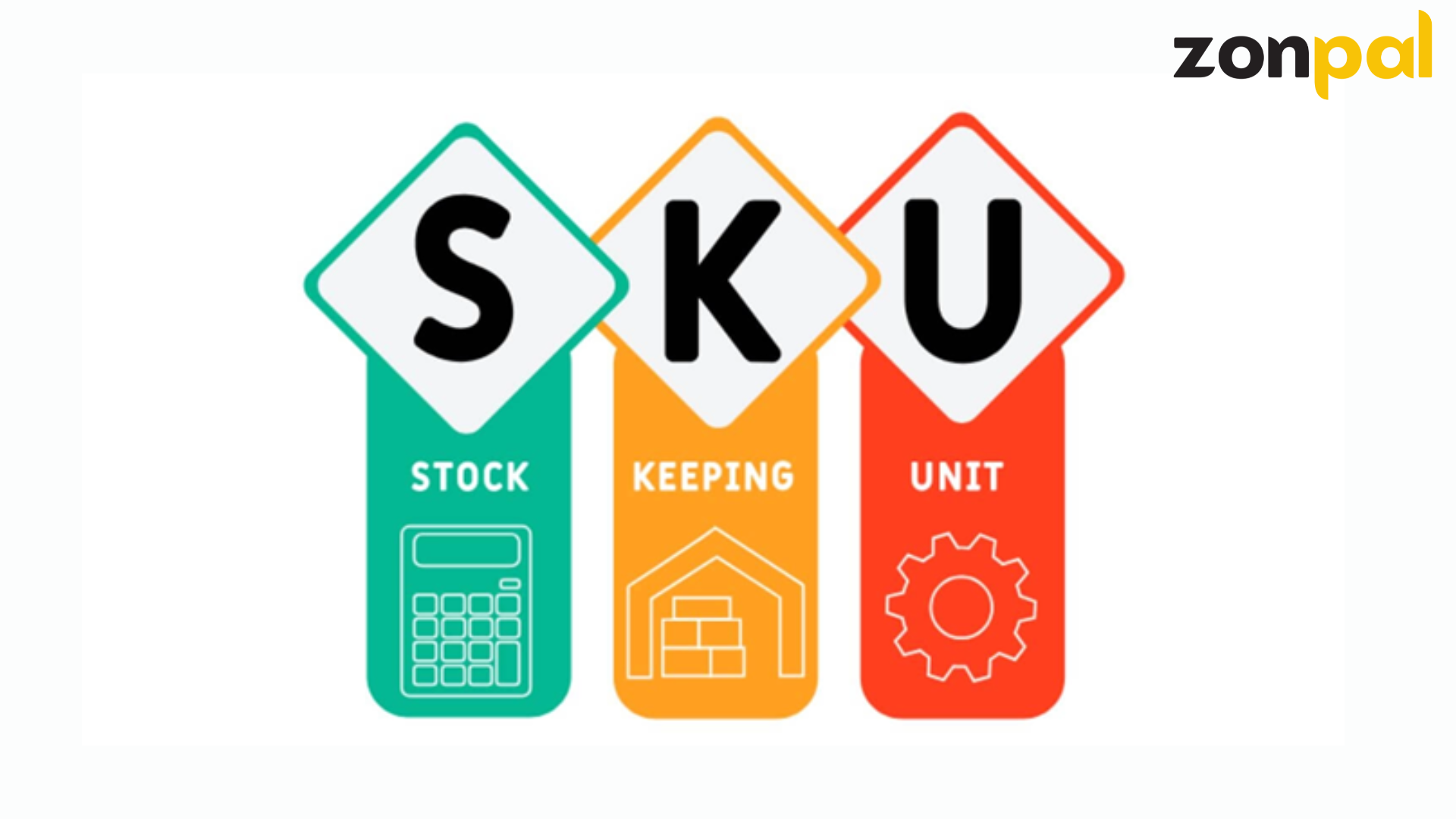
You should have a unique SKU for your product on Amazon.
Read more:
1.2. The Spiral of “Deep Discounting”
To break through this wall of consumer hesitation, many sellers resort to the “short-term fix” of permanent, deep discounts. However, this is rarely a strategy; it is a spiral that often leads to a business “death trap” through three dangerous consequences:
- Margin Erosion: As PPC competition intensifies and “mammoth” ad budgets drive up the cost of keywords, your marketing expenses skyrocket. When combined with forced sales through heavy discounting, your net margins are crushed. You are essentially paying more to sell for less.
- Brand Devaluation: Constant discounts act as a psychological “anchor” for your customers. You are effectively training them to believe your product is only worth the “sale price.” This strips away the prestige and perceived value of your work, making it impossible to ever return to premium pricing without losing your audience.
- Zero Loyalty: Price-sensitive customers are notoriously fickle. If they came to you because you were the cheapest, they will leave the moment a competitor drops their price by five cents. In this scenario, you do not “own” a customer base; you are merely leasing a transaction for a single moment in time.
1.3. 2026: The Year of the “Trust Dominators”
The paradigm has shifted. The era of “Growth at All Costs”, characterized by aggressive ad spending and predatory pricing, is giving way to the Economy of Trust.
- Persistence Over Pockets: The winners in 2026 are not necessarily the brands with the largest advertising budgets, but those who are the most persistent in humanizing their brand. They are the “Trust Dominators” who understand that a single loyal customer is worth more than a thousand discounted transactions.
- The Authenticity Premium: In a world of AI-generated content, true authenticity, the kind found in the heritage of a Khánh An ceramic piece or the sociology of a brand story, is the rarest and most valuable currency. Capturing the heart of the consumer is no longer “fluff” marketing; it is the most robust financial strategy for sustainable scaling.
2. Brand as an “Asset,” Advertising as a “Tool”
The smartest enterprises in 2026 have realized a fundamental truth: If you view every order as a transaction, you will pay for it forever.

If you view every order as a brick in your brand foundation, you are building a Wealth-Generating Asset.
2.1. The Brand as the Primary Asset: Cultivating “Natural Gravity”
In the digital economy, your brand is not a line item in the marketing budget; it is the root system of your entire business. In an ecosystem like Amazon or TikTok Shop, where algorithms are constantly shifting, a brand acts as a source of “natural gravity.”
- The Soul and the Story: A brand with a “soul”, one that carries a narrative of heritage, creates an emotional resonance that a generic competitor cannot replicate. This “human element” is the only thing that remains immune to AI commoditization.
- The Erosion of CAC: When you possess a reputation for excellence and a distinct identity, your Customer Acquisition Cost (CAC) begins to undergo a natural, long-term decline. You are no longer solely dependent on high-stakes keyword bidding.
- The Compound Interest of Trust: Trust is the ultimate currency of 2026. It facilitates organic repeat purchases and fuels the engine of word-of-mouth referrals. These “unpaid” interactions are the only source of truly stable, high-margin revenue that can survive market volatility.
2.2. Advertising as the Precision Tool: The Strategic Amplifier
Modern businesses have abandoned the “brute force” approach to advertising. In 2026, smart marketers no longer use ads to “buy” a reluctant customer’s attention; instead, they use them as a Surgical Amplifier.
- The Guide, Not the Salesman: Instead of trying to “force” a sale for an unknown, anonymous product, advertising serves as the sophisticated guide. It leads the curious consumer toward a trusted, established entity. Its job is to illuminate the path to the brand, not to beg for a click.
- Efficiency Through Relevance: When you use ads to amplify an existing brand story, your Return on Ad Spend (ROAS) skyrockets. Because the customer recognizes the “soul” of the brand, the friction of the sale is minimized. The ad is merely the introduction; the brand does the closing.
- Escaping the “Infinite Rent” Trap: Most sellers are effectively “renting” their customers from platforms like Amazon or Meta. The moment they stop paying the rent (stopping the ads), their business vanishes. By using ads as a tool to build a brand asset, you are moving from renting a customer to owning a relationship.
3. The Core Formula for Growth: Professional Branding
While PPC and AI infrastructure provide the “Body” and “Bones” of your Amazon business, professional branding is what makes a customer feel something, turning a one-time transaction into a long-term relationship.

Branding is the “Soul” of the machine
3.1. Direct Conversion Boost: Removing the “Friction of Doubt”
On Amazon, the journey from “Click” to “Buy” is fraught with micro-hesitations. Professional branding, expressed through A+ Content, high-fidelity lifestyle imagery, and a cohesive Brand Story, serves to eliminate this friction.
- Accelerated Decision Making: When a customer lands on a listing that feels “established” and “authoritative,” the psychological barrier to purchase drops.
- Ad Efficiency: By increasing your Unit Session Percentage (Conversion Rate), branding allows you to get more sales out of the same ad budget, effectively lowering your cost per acquisition without touching a single keyword bid.
3.2. Premium Pricing Power: Charging for Value, Not Utility
If you compete on price, you are in a “race to the bottom.” Professional branding allows you to exit that race.
- The “Apple” Effect: Much like a $1,000 phone that costs a fraction of that to produce.
- Margin Protection: Branding creates an emotional connection that justifies a higher price point, ensuring your profitability remains intact even when logistics or raw material costs rise.
3.3. CAC Optimization: Winning the “Return Customer” Game
The most expensive sale is the first one. Professional branding shifts the focus toward Customer Lifetime Value (LTV).
- Lowering CAC: As your “Return Customer Rate” climbs, your blended marketing costs drop. A customer who searches specifically for your brand name costs significantly less to convert than one searching for a generic term like “coffee mug.”
- Brand Recall: In the 2026 ecosystem, where Rufus (Amazon’s AI assistant) recommends products, a strong brand presence ensures you are the “top-of-mind” recommendation for recurring needs.
3.4. Sustainable Scaling: Future-Proofing Against Competition
Market competition in 2026 is intensified by “mammoth” infrastructure and rapid-fire AI tools. Branding acts as your defensive moat.
- Reduced Operational Risk: Brands with high loyalty are less susceptible to “review bombing” or temporary price wars from new entrants.
- Scalability: A professional brand identity makes it easier to launch line extensions. If customers trust your “Tea Sets,” they are 80% more likely to buy your “Serving Platters” sight unseen because the brand promise remains consistent.
Zonpal Amazon Agency: Turning Transactions into Sustainable Assets
Understanding the pain of ad-dependency, Zonpal Amazon Agency provides the roadmap for Vietnamese and global businesses to escape the “leasing” trap and build a true brand empire on Amazon:
- International Brand Identity: We don’t just list products; we craft Brand Stories and professional A+ Content that establish absolute trust with US and global audiences.
- Comprehensive Brand Registry: We help you secure your trademarks, prevent price-dumping, and gain total control over your presence on the world’s largest marketplace.
- Customer Funnel Optimization: Instead of scattered ad spend, Zonpal uses data-driven targeting to turn one-time buyers into loyalists, reducing the pressure to “burn money” on PPC.
- Value-Based Positioning: We help your product move away from the “Price War” and assert a high-end position based on quality and reputation.
4. The Management Shift: E-commerce in 2026
Growth in 2026 belongs exclusively to those who move beyond the “Algorithm-First” mentality. As Amazon’s Rufus and other AI agents become the primary gatekeepers of discovery, they are programmed to favor entities with high Brand Authority and Customer Sentiment. A professional brand system is no longer just a “marketing expense”; it is the only “Sustainable Asset” capable of weathering the storm of shifting algorithms and the relentless inflation of advertising costs.
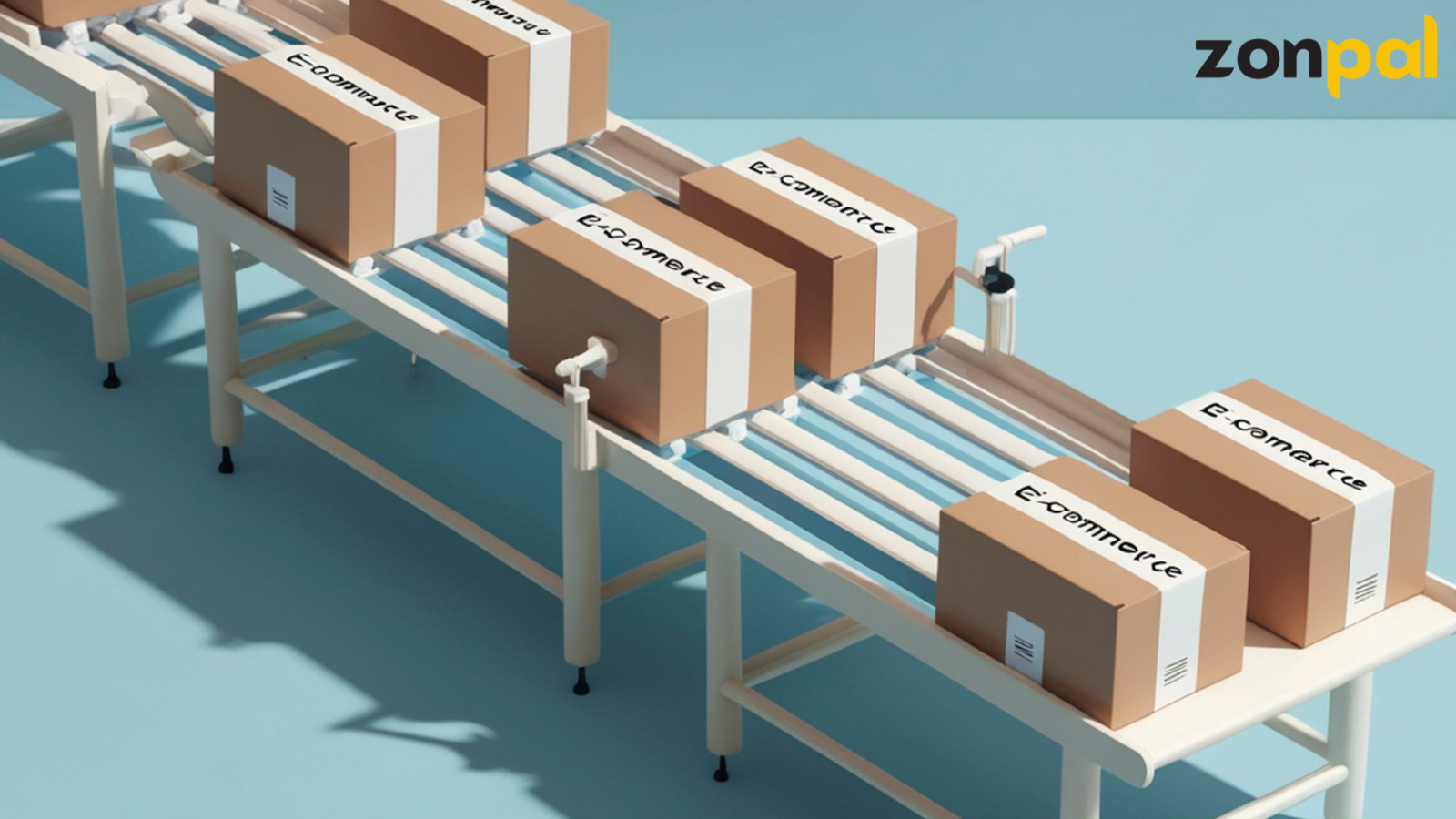
When the “rent” for ad space becomes too high, only those who own their audience through trust will remain profitable.
4.1. Invest in the “Tangible Experience”: Closing the Trust Gap
In a digital world dominated by AI-generated perfection, the physical reality of your product is your ultimate truth-teller.
- Quality Equilibrium: Your physical product quality must not only match but ideally exceed the digital promise made on your listing. In the 2026 Economy of Trust, a single “Expectation vs. Reality” failure can trigger an algorithmic downgrade that takes months to repair.
- The “Unboxing” Narrative: Every touchpoint, from the weight of the ceramic to the texture of the packaging, must validate the customer’s decision to choose a premium brand like Khánh An over a generic alternative.
4.2. Radical Message Consistency: The Omnichannel Soul
In 2026, the consumer journey is fragmented across TikTok, Amazon, Instagram, and private websites. To survive this fragmentation, your brand must have a consistent “Soul.”
- The 360-Degree Brand: Every interaction, from a customer service chat and the fine print on a shipping label to the high-level storytelling in your A+ Content, must reflect your core values.
- Eliminating Cognitive Dissonance: If your brand claims “Heritage and Craftsmanship” but uses flimsy, generic packaging or cold, robotic automated replies, the trust is broken instantly. Consistency is the foundation of brand recognition in a sea of noise.
4.3. Digitalize Loyalty: From “Hunting” to “Farming”
The most expensive way to grow in 2026 is the constant hunt for “Cold Traffic.” Modern management shifts the focus toward Retention and Remarketing.
- Data-Driven Relationship Management: Instead of blindly spending on top-of-funnel keywords, use sophisticated customer data to build personalized remarketing loops.
- The LTV Multiplier: Use your 2026 “Trust Assets” to encourage repeat purchases. A customer who has already experienced your brand’s quality is 5x more likely to convert on a new product launch than a stranger. In the age of high CAC, your Lifetime Value (LTV) is your most important financial metric.
Conclusion: Trust is the New Currency
The “Customer Leasing” trap is a harsh reality, but it is also an opportunity for serious brands to reset their strategy. In 2026, stop the race to the bottom on price and start the race to the top on trust. Building a brand is the shortest and only path to sustainable, long-term profit.
Stop leasing. Start owning.