
Find Your Million-Dollar Amazon Niche Products in 2025
Finding the right niche can make or break your Amazon FBA business. In 2025, shoppers are more selective than ever. They no longer just want products; they look for solutions that fit their values, lifestyle, and identity. Selling niche products is no longer just a smart choice. It’s the fastest path to profitability and long-term brand loyalty on Amazon.
This guide walks you through every step of the process: how to find profitable niche Amazon products, validate product ideas, avoid costly mistakes, and stay ahead of eCommerce trends in 2025. Whether you’re a new seller or growing an existing brand, you’ll discover practical, data-driven strategies to choose products that sell and keep performing over time.
What Are Amazon Niche Products & Why Sell Them?
Amazon niche products are specialized items serving narrow audiences, like eco-friendly pet toys or wireless earbuds for runners, unlike broad categories such as “clothing.” Selling niches reduces competition, allowing easier ranking and higher profits.
For example, sellers focusing on the “sustainable kitchen gadgets” niche can sell items like bamboo utensils or reusable food wraps. These products attract eco-friendly buyers and face less competition than regular kitchen tools. In 2025, niche markets will continue growing because shoppers want products that match their values and lifestyles.
Why care? Broader markets like electronics are saturated, but niches offer 2-3x faster launches and better margins. Beginners succeed faster in niches by solving unique pain points, building loyal customers without massive ad spends.
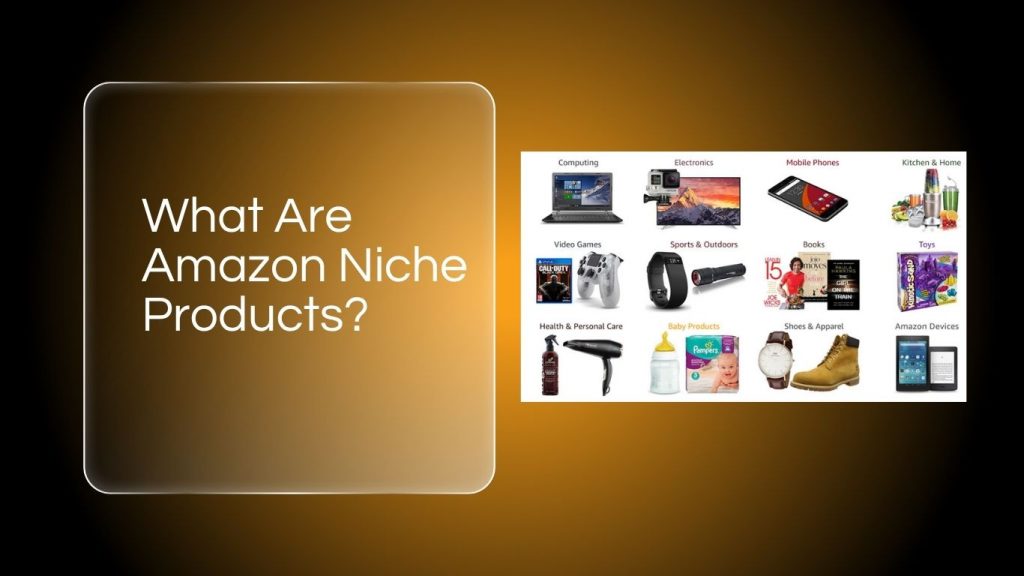
What Are Amazon Niche Products & Why Sell Them?
6 Ways to Find Winning Amazon Niche Products
Discovering niches requires the right tools and sources. This section outlines six proven methods to uncover low-competition opportunities for your FBA venture.
- Amazon best sellers & product opportunity explorer
You can start with Amazon’s Best Sellers list to spot trending sub-categories. For instance, drill down from “Home & Kitchen” to niches like insulated tumblers, which saw viral growth. Use Product Opportunity Explorer in Seller Central for demand data—filter for monthly searches with low competition.
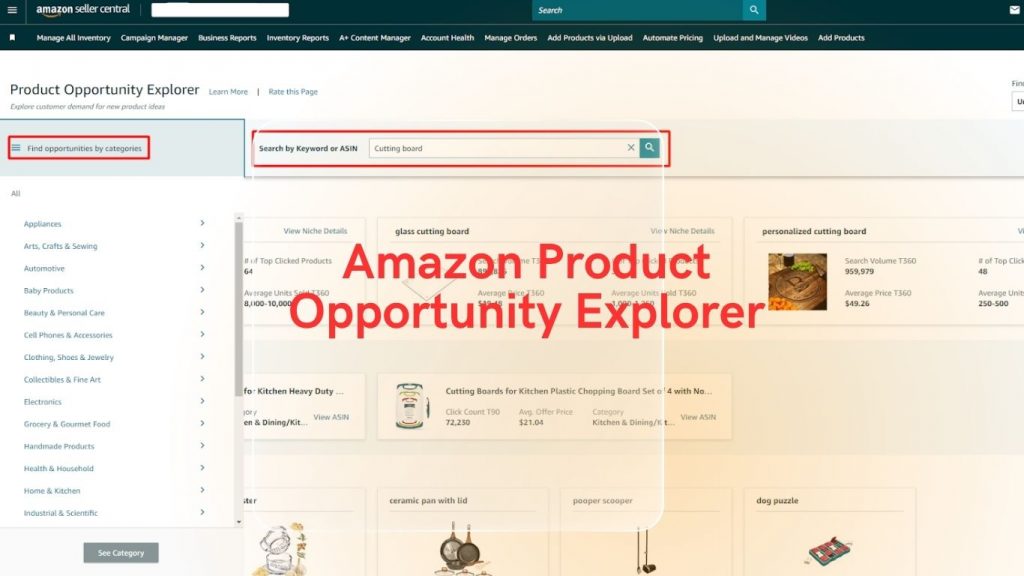
Use Product Opportunity Explorer in Seller Central to find Amazon niche products
- Jungle Scout/AMZScout Opportunity Finder
Tools like Jungle Scout’s Opportunity Finder analyze sales velocity and competition scores. For example, AMZScout highlights kids’ underwater cameras in electronics, generating $44,885 monthly with a few sellers. This shows the value of spotting low-competition products with steady demand. Sellers should focus on niches where customer interest is clear but the market isn’t crowded yet. By entering early and offering better listings or bundles, you can capture sales faster and build brand visibility before the niche becomes saturated.
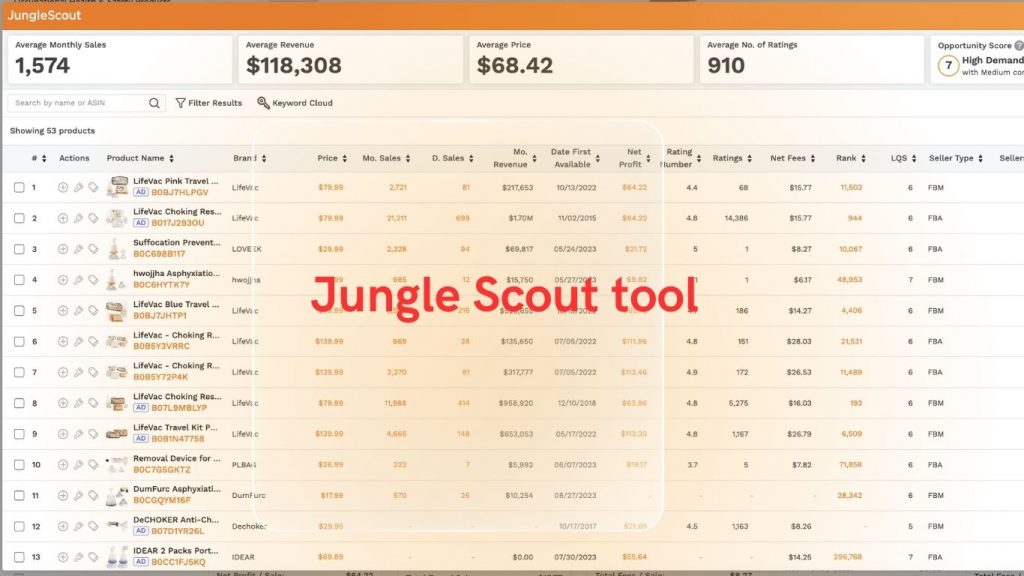
Jungle Scout for Amazon seller
- Google Trends + “People Also Ask”
Google Trends reveals rising searches, like “eco-friendly cat litter” spiking in 2025. Pair with “People Also Ask” for questions like “best natural pet supplies,” uncovering underserved ideas. This free method helped a client pivot to plant-based beauty products amid wellness trends.
- Keyword Tools (Helium 10 Black Box)
Helium 10’s Black Box searches by criteria like $10,000+ monthly revenue and <200 reviews. It surfaced collagen lip masks in beauty, with high margins due to repeat buys. Advanced users filter for seasonality, ensuring year-round viability.
- Supplier Sites (Alibaba Trends)
Alibaba’s trending section shows emerging products, like health wearables from Chinese suppliers. These insights help identify early trends before they become competitive on Amazon, allowing sellers to plan sourcing and listings ahead of market demand.
- Social: TikTok, Instagram, Reddit, Facebook Groups
Social platforms buzz with user-generated trends. On TikTok, viral galaxy projectors drove home decor sales; Reddit’s r/petcare reveals demand for smart feeders. Monitor Facebook Groups for pain points, like fitness enthusiasts seeking recovery tools. In our experience, social scouting yields 40% of our winning niches.
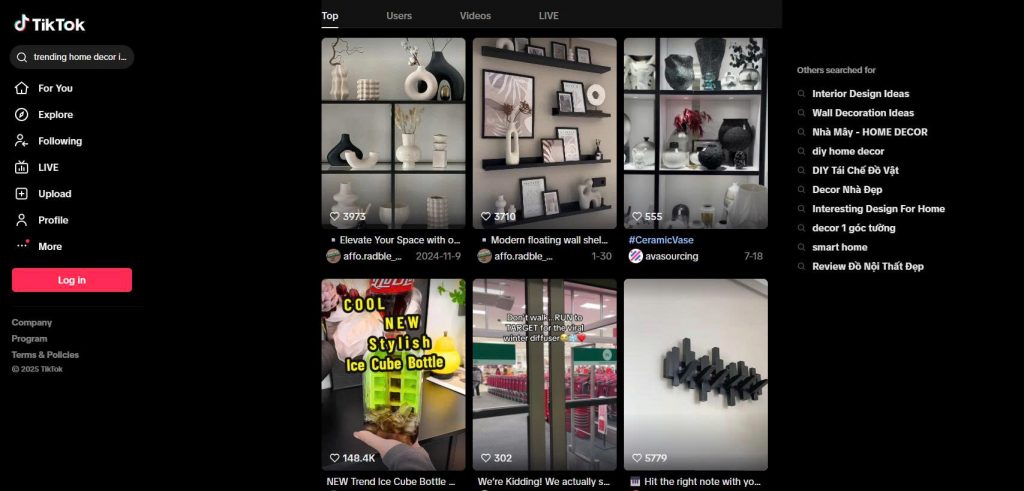
Find trending home decor items on TikTok
How to Validate & Analyze Your Niche Ideas
How to validate niche products on Amazon? Validation helps turn product ideas into real winners. Here’s a quick, simple checklist to test your niche before you invest:
🔍Step 1: Check existing listings
Search your main keywords on Amazon. If the top 10 results have fewer than 400 reviews and few products match your specific angle (for example, “metal straw with brush”), that’s a promising niche.
💬Step 2: Read customer reviews
Scan feedback for repeated complaints like “hard to clean” or “too flimsy.” These comments show what buyers want improved. One small change—like adding a cleaning brush—can make your version sell much better.
📈Step 3: Confirm real demand
Google Trends: Is the search interest rising or steady?
Amazon autocomplete: Are people already searching for your variation?
💰 Step 4: Do quick profit math
If your landed cost is $5 and you sell for $20, after Amazon fees (~$9), you make about $6 profit per unit. Order 100 units and test. If 50 sell within a month, it’s worth scaling.
Top 10 Profitable Amazon FBA Niches for 2025
The 2025 market brings new chances for sellers as consumer habits evolve. Below are ten promising Amazon FBA niches, each supported by current trends and real growth potential.
- Sustainable Home (Eco Kitchen)
Eco-conscious shopping isn’t just a trend anymore; it’s becoming a lifestyle. Products like reusable tumblers or bamboo kitchen tools help consumers live greener. These items attract loyal buyers and are easy to brand with unique designs or packaging.
- Pet Tech (Smart Feeders)
The pet industry keeps expanding as owners look for smarter, easier ways to care for their animals. Automated feeders and health trackers fit perfectly into this shift toward tech-enabled pet care, giving sellers a steady market and strong repeat demand.
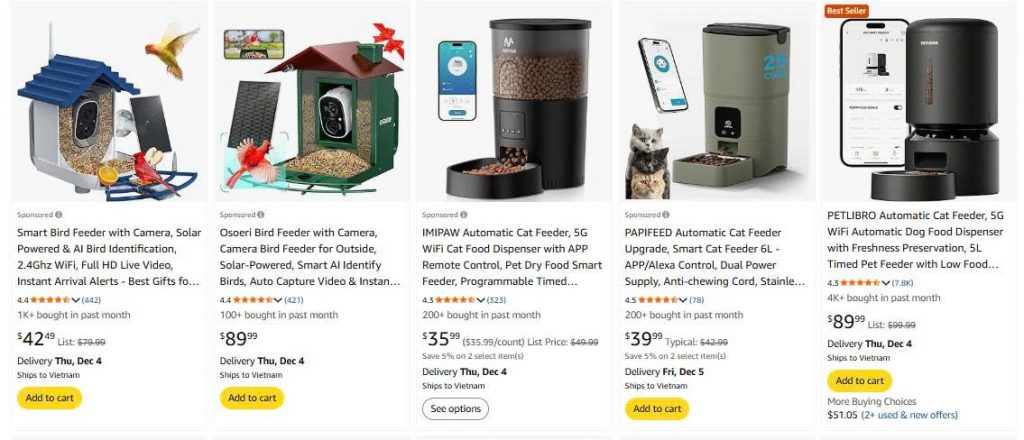
Smart feeders are considered a profitable Amazon FBA niche
- Health Wearables
People are investing more in preventive health and data-driven fitness. Smart bands, posture trackers, or sleep monitors align with that mindset. The category benefits from constant innovation, meaning there’s always room for fresh products that solve specific health or lifestyle needs.
- Gaming Accessories
Gaming continues to be a thriving, passionate community. Accessories like ergonomic mice, controller grips, or cable management kits sell well because players value comfort and customization. Even small design upgrades can set a product apart in this niche.
- Skincare Tools
Self-care remains a global trend. Skincare tools like rollers, LED masks, and microcurrent devices fit the growing “at-home spa” movement. Clean beauty products such as overnight glow peels also perform well, with AMZScout reporting profit margins of about 76%. As buyers move toward safe, minimalist formulas, this niche offers strong demand and space for authentic, trust-based brands.
Self-care remains a global trend
- Fitness Recovery
Items such as ice packs, massage guns, and recovery bands continue to perform well as wellness culture expands an evergreen niche with consistent sales.
- Baby Eco-Products
Modern parents buy with care. They want baby products that are safe, sustainable, and gentle. Eco-friendly items like organic play mats, reusable wipes, and silicone feeding sets help build trust and long-term loyalty.
- Kitchen Gadgets
Compact appliances like countertop ice makers and air fryers meet the demand for convenience, making this one of the best-selling home niches.
- Beauty Supplements
Collagen powders and protein supplements connect beauty with wellness. These products attract repeat buyers and create steady, long-term revenue.
- Outdoor Gear
Seasonal products such as pest control tools, camping kits, and portable gear show high demand spikes during warmer months, ideal for cyclical profit boosts.
7 Common Mistakes to Avoid in Niche Selection
Choosing the wrong niche can cost sellers thousands in wasted time and inventory. Below are seven frequent mistakes Amazon FBA sellers make and how to avoid them for stronger, more sustainable results.
- Chasing saturated trends
Overhyped markets like basic electronics or phone accessories are overcrowded. Focus on sub-niches where competition is lower and differentiation is easier.
- Ignoring seasonality
Many sellers forget how demand shifts through the year. Products like toys or outdoor gear spike in Q4, leading to stockouts or excess inventory if not planned carefully.
- Poor supplier vetting
Rushing supplier selection often leads to quality issues. Always verify sellers on Alibaba, order samples, and check certifications before committing.
- Skipping PPC tests
Launching without ad testing is risky. Use small Amazon PPC campaigns to confirm real keyword demand before scaling your inventory.
- No IP protection
Entering the market without trademark registration invites copycats. Enroll in Amazon Brand Registry early to protect your listings and content.
- Overlooking return rates
High-return categories, such as apparel or footwear, can quickly drain profits. Research average return percentages before entering a niche.
- Scaling too fast
Expanding too soon without validating performance can lead to big losses. Always test demand, collect reviews, and refine your offer before adding new variants.
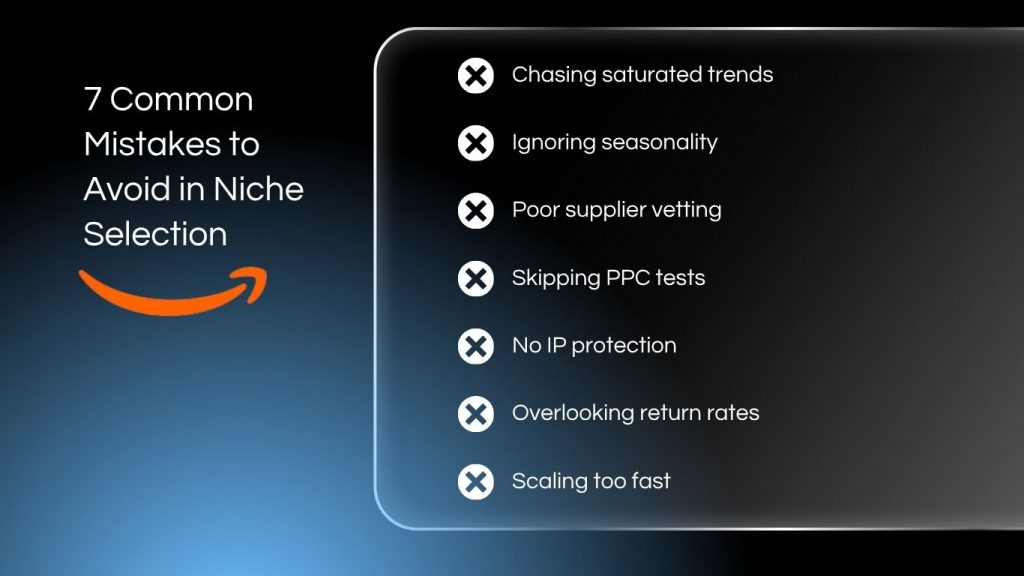
7 Common Mistakes to Avoid in Niche Selection
>>> See more: [2025 Guide] How To Source Products To Sell On Amazon >>>
Conclusion
Choosing the right niche is the foundation of every successful Amazon FBA business. In 2025, sellers who focus on targeted, high-demand niches will grow faster and build stronger customer loyalty than those chasing crowded markets. When you understand what buyers truly want and offer products that solve real problems, your brand stands out naturally.
If you’re ready to turn niche research into real results, Zonpal’s Product Research service can help. Our team identifies profitable, low-competition opportunities and validates ideas with data-driven insights. So you can launch with confidence, reduce risks, and scale your Amazon business efficiently.