
Every few months, a new wave of headlines asks the same question: is Amazon FBA still worth it? Fee increases, tighter margins, and more competition in nearly every category have made sellers nervous. We get this question constantly from brand owners who are either just starting out or trying to decide whether to keep scaling.
Instead of giving you a generic “it depends,” we pulled together patterns from the accounts our team manages, plus publicly available Amazon fee data, to give you a real answer. Some sellers are absolutely still winning on FBA. Others are bleeding cash without realizing it. The difference usually comes down to a handful of specific factors, which we’ll break down below.
The Real Cost of Selling on Amazon FBA in 2026
Let’s start with the numbers everyone actually cares about. Amazon’s referral fees typically range from 8% to 15% of the item price, depending on category. On top of that, FBA fulfillment fees vary by size tier and weight, and they’ve been trending upward for the past several years as Amazon adjusts for warehouse and shipping costs.
Then there’s storage. Standard storage fees fluctuate seasonally, with Q4 (October through December) running noticeably higher than the rest of the year. If your inventory sits too long, aged inventory surcharges kick in on top of that. Add advertising spend, which for most competitive categories eats up 8% to 15% of revenue just to stay visible, and you’re looking at total fees that can easily consume 40% to 55% of your top-line revenue before you’ve paid for the product itself.
None of this is new information. What’s changed is how unforgiving these costs are for sellers without a clear cost structure. A seller running on thin margins in 2020 could absorb a fee increase. In 2026, that same seller often can’t.
What the Numbers Say About Profitability
Here’s where it gets interesting. Across the accounts our team manages, we consistently see a wide profitability spread even within the same category. One home goods brand we work with runs at roughly 25% to 30% net margin after all Amazon fees, advertising, and COGS. Another seller in a nearly identical subcategory struggles to clear 8%.
Both are technically “on Amazon FBA.” Only one of them is actually benefiting from it. The difference wasn’t the platform. It was pricing strategy, supply chain efficiency, and how tightly the advertising spend was managed relative to conversion rate.
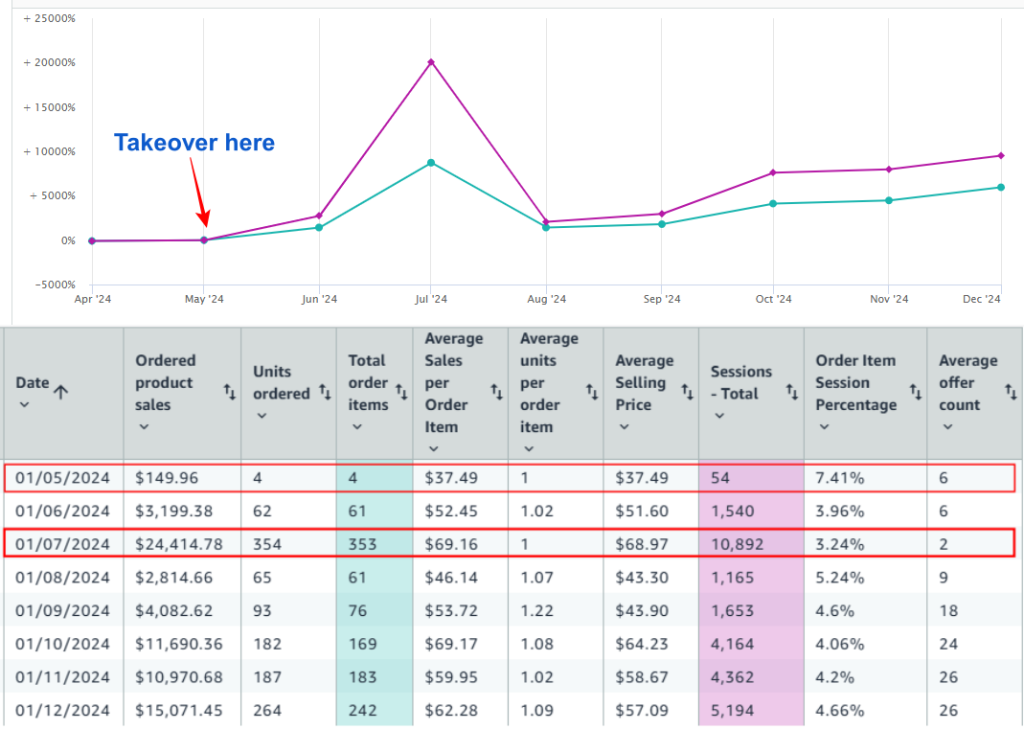
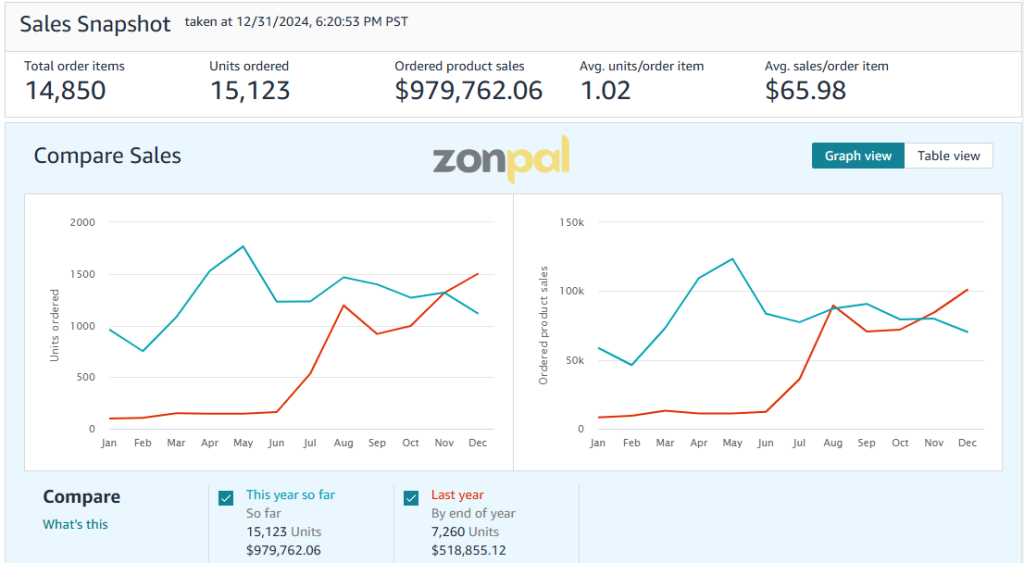
We’ve also seen accounts flip from unprofitable to solidly profitable within two to three months, without changing the product itself. In most of these turnarounds, the fix wasn’t a new product or a lower price. It was cutting wasted ad spend on poorly targeted keywords and renegotiating supplier costs to protect margin. That’s a pattern worth remembering: the platform rarely kills profitability on its own. Poor execution does.
Where Sellers Are Losing Money (and Why It Looks Like FBA Isn’t Worth It)
When a brand owner tells us “FBA doesn’t work anymore,” we usually find one or more of these issues underneath:
- Underpriced products relative to true landed cost. Many sellers price based on competitor listings without accounting for their own freight, duties, and storage costs.
- PPC campaigns running on autopilot. Ad spend without regular keyword pruning and bid adjustment quietly drains margin every single day.
- Commodity products with no differentiation. If your listing looks identical to ten others, you’re forced into a price war that erodes margin fast.
- Poor inventory forecasting. Stockouts kill ranking momentum, while overstock triggers long-term storage fees and forced liquidation.
- No system for tracking true profitability per SKU. Many sellers are looking at revenue, not net margin, when deciding whether Amazon “works” for them.
Notice that none of these are structural problems with Amazon FBA itself. They’re operational gaps. That distinction matters a lot when you’re trying to answer the bigger question of whether FBA is worth it for your brand specifically.
When Amazon FBA Is Still Clearly Worth It
Based on what we see across managed accounts, FBA still makes strong sense in a few specific situations. If you have a genuinely differentiated product, whether through design, bundling, or a niche audience that competitors haven’t addressed, you have real pricing power. Pricing power is what protects margin when fees rise.
It’s also worth it if you can source efficiently, meaning your unit economics leave enough room to absorb Amazon’s fee structure and still hit a healthy margin. We generally like to see at least 15% to 20% net margin built into a product before it goes live, precisely because fees and ad costs will chip away at that over time.
Finally, FBA remains a strong fit if you’re playing a long game with your catalog. Sellers who diversify across multiple SKUs and build a real brand, rather than flipping single hero products, tend to weather fee changes and algorithm shifts far better than single-SKU sellers. A broader catalog gives you more levers to pull when one product’s margin gets squeezed. If you want a deeper breakdown of how fee structures actually work, our guide to Amazon FBA fees walks through the specifics category by category.
When It’s Probably Not Worth It
On the flip side, we’d tell a seller to think twice before committing further if their product sits in a saturated commodity category with razor-thin margins and no clear differentiation. Phone cases, generic kitchen gadgets, and basic apparel without a brand angle fall into this bucket more often than not.
It’s also a red flag if your entire business depends on one SKU with no room to raise price without losing the Buy Box. That’s a fragile position even in a good year, and it becomes untenable the moment Amazon adjusts fees or a competitor undercuts you.
And if you’re not tracking net margin per SKU at all, meaning you genuinely don’t know your numbers, that’s arguably the biggest risk factor of all. You can’t answer “is Amazon FBA worth it” for your own business if you don’t have accurate profitability data to look at.
How to Know If FBA Is Right for Your Brand
Before writing off Amazon FBA, or doubling down on it, run through this quick checklist:
- Calculate your true net margin per SKU, including referral fees, FBA fees, storage, and average ad spend as a percentage of sales.
- Check if your product has a real point of differentiation that would let you raise price by 10% to 15% without losing sales.
- Review your inventory turnover. If units are sitting past 90 days regularly, storage costs are quietly eating your margin.
- Look at your PPC ACOS trend over the last three months. Rising ACOS with flat conversion usually means wasted spend, not a platform problem.
- Assess whether you have more than one SKU carrying the business. Single-product dependency is a structural risk, not an Amazon FBA problem.
If you run through this and your margins are healthy, your product is differentiated, and your ad spend is efficient, FBA is very much still worth it in 2026. If several of these come back weak, the fix usually isn’t leaving Amazon. It’s tightening operations before the next fee increase makes the decision for you.
Final Thoughts
Is Amazon FBA still worth it? Based on what we see across the accounts we manage, the honest answer is that the platform hasn’t gotten worse so much as it’s gotten less forgiving. Sellers with tight margins, clear differentiation, and disciplined ad spend are still building real businesses on FBA. Sellers coasting on thin margins and guesswork are the ones seeing the platform “stop working.”
If you want to see how this plays out in practice, including real margin structures and turnaround numbers from brands we’ve worked with, take a look through our case studies. They’re a useful reference point whether you’re just starting to evaluate FBA or trying to figure out why your current numbers aren’t where you’d expect them to be.