If you’re building a first-year budget for an Amazon FBA business, you’ve probably noticed the numbers online don’t agree with each other. Some blogs say you can start with $500. Others quote $30,000. The truth is that amazon fba cost depends heavily on your product category, your sourcing strategy, and how aggressively you want to launch.
This guide breaks down every major cost bucket a new FBA seller should budget for in year one, with realistic ranges based on what we see across accounts the Zonpal team manages. By the end, you’ll have a framework to build your own number instead of relying on someone else’s guess.
What you need before you start
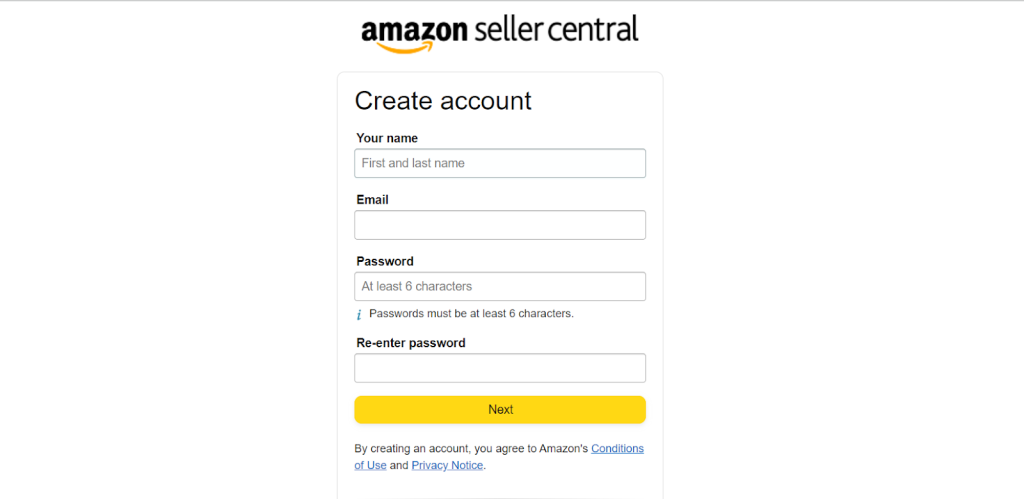
Before you spend a dollar on inventory, get three things in order. First, a professional seller account, which costs $39.99 per month on Amazon’s Professional plan. This is a fixed cost regardless of sales volume and is required if you plan to sell more than 40 units a month.
Second, decide on your legal structure. Most sellers form an LLC before their first shipment goes out, which typically costs anywhere from $50 to $500 depending on your state and whether you use a formation service. Some sellers skip this initially and operate as a sole proprietor, but we generally recommend forming the LLC early to separate personal and business liability.
Third, have a rough product idea validated through demand and competition research. If you haven’t done this yet, our product research guide walks through how to validate a niche before you commit real money to inventory.
Inventory and product costs
This is usually the single largest line item in your first-year budget, and it’s the one most new sellers underestimate. Your cost per unit depends on your category, but you also need to budget for enough units to sustain sales for at least 2 to 3 months without running out of stock.
For a typical private label product in a competitive but manageable niche, first orders often run from $3,000 to $15,000 depending on unit cost and minimum order quantities from your supplier. If you’re sourcing from a factory in China or Vietnam, expect the supplier to require a deposit, usually 30%, with the balance due before shipment.
Don’t forget quality inspection. A third-party inspection before your goods leave the factory typically costs $200 to $400 per shipment and can save you from a container full of defective units landing in an Amazon warehouse with no way to send it back cheaply.
Amazon seller account and referral fees

Beyond the monthly subscription, Amazon takes a referral fee on every sale. This averages around 15% of the item’s sale price, though it ranges from about 8% up to 45% depending on the category. Categories like electronics accessories often sit at 15%, while categories like Amazon Device Accessories can be much higher.
This fee isn’t optional and it’s not negotiable at the individual seller level, so it needs to be baked into your pricing from day one. A common mistake we see is sellers pricing their product based on landed cost plus a margin target, then forgetting the referral fee eats into that margin before FBA fees are even applied.
Use Amazon’s Revenue Calculator before you finalize pricing. Plug in your actual product weight and dimensions, not estimates, because the tool will show you referral fee and fulfillment fee together for a realistic net margin.
FBA fulfillment and storage fees
Fulfillment fees cover pick, pack, and ship for every unit Amazon sends to a customer. For standard-size items, this typically ranges from about $3 to $8 per unit, with oversize or heavier items costing more. These fees are updated periodically, so always check the current rate card rather than relying on last year’s numbers.
Storage fees are separate and billed monthly based on the cubic footage your inventory occupies in Amazon’s warehouses. Rates are lower from January through September and increase during the October to December peak season, often more than doubling. This is one reason inventory planning matters: carrying too much stock into Q4 without selling through it can quietly erode your margin.
There’s also a long-term storage surcharge applied to units that sit in an Amazon warehouse for more than 365 days. New sellers rarely hit this in year one, but it’s worth knowing about if you order large quantities upfront to hit a lower per-unit manufacturing cost.
Shipping and freight to Amazon warehouses

Getting your product from the factory to an Amazon fulfillment center is its own budget line, and it varies wildly depending on method. Air freight is faster, often 7 to 15 days, but costs more per kilogram. Sea freight is cheaper for larger volumes but can take 30 to 45 days including customs clearance.
For a first order, many new sellers use air freight or a freight forwarder’s consolidated service to get a small batch in faster, then switch to sea freight for reorders once the product is selling and cash flow allows for the longer lead time. Budget separately for customs duties and import fees, which vary by product category and country of origin.
Also factor in prep costs if you’re using a third-party prep center before goods reach Amazon: labeling, poly-bagging, or bundling can add $0.50 to $2 per unit depending on complexity.
Advertising and PPC budget
Amazon PPC is how most new products get initial traction, and it needs its own line in your budget separate from inventory. During a product launch, many sellers run daily budgets in the $30 to $50 range per campaign, which can add up to $1,000 to $3,000 or more in the first couple of months depending on how many campaigns you’re running and how competitive your keywords are.
Don’t expect immediate profitability from ads in month one. The goal early on is ranking and review velocity, not efficiency. ACoS (advertising cost of sale) is often higher than your target margin during launch, and that’s normal as long as it trends down over the following weeks.
If PPC management isn’t something your team has bandwidth for, this is one of the areas where outside support pays for itself quickly, since small targeting mistakes in the first month can burn through a launch budget with little to show for it.
Photography, listing creation, and branding
Your listing images and copy directly affect conversion rate, so this isn’t a place to cut corners entirely, but it also doesn’t need to be the most expensive part of your budget. Professional product photography, including lifestyle shots and infographics, typically runs $300 to $1,500 depending on how many images and variations you need.
Listing copywriting, if you outsource it, usually costs $150 to $500 per listing depending on the complexity of the product and how much keyword research goes into it. Some sellers write this themselves to save money early on, which is reasonable if you understand your customer well, but weak copy is one of the more common reasons a well-sourced product underperforms.
Barcodes are a small but easy-to-forget cost. GS1 UPC codes typically cost $30 to $250 depending on how many you need and whether you buy individually or in bulk.
Software, tools, and administrative costs
Keyword research and competitor tracking tools like Helium 10 or Jungle Scout typically run $50 to $200 a month depending on the plan. Some sellers only need these during the research phase and can downgrade or cancel once the product is live, so this doesn’t have to be a fixed year-round cost.
If you plan to register a trademark, which is required for Amazon’s Brand Registry program, budget for USPTO filing fees plus attorney costs if you use one. This typically totals somewhere between $500 and $1,500 depending on how many trademark classes you file under.
Accounting software, a business bank account, and basic bookkeeping are worth budgeting for too, even if it’s just $20 to $50 a month for a tool like QuickBooks or Wave in the early stages.
A sample first-year budget

Putting these categories together, here’s a realistic range for a single-product FBA launch in year one:
- Initial inventory: $3,000 to $15,000
- Amazon Professional account: around $480/year
- LLC formation: $50 to $500
- Photography and listing creation: $500 to $2,000
- Barcodes and packaging prep: $200 to $700
- Freight and customs: $500 to $3,000
- PPC advertising (first 3 to 6 months): $2,000 to $6,000
- Software tools: $300 to $1,500
- Trademark registration: $500 to $1,500
- Buffer for returns, reimbursements, and reorders: 10% of total budget
Adding these up, many new sellers land somewhere between $10,000 and $30,000 for a full first year, depending on how many products they launch and how aggressive their advertising strategy is. Sellers testing a single product on a lean budget can start lower, but should expect a slower ramp.
Common mistakes (and how to avoid them)
A few patterns show up again and again in accounts that struggle in year one:
- Underfunding PPC after launch. Sellers spend everything on inventory and have nothing left to push the listing once it’s live, so it never ranks.
- Ignoring seasonal storage fees. Ordering too much stock right before Q4 without a sell-through plan can quietly wipe out margin in storage costs.
- Skipping quality inspection to save $300. A defective batch costs far more in refunds, negative reviews, and reshipping than an inspection would have.
- Pricing before checking real fees. Using estimated fulfillment fees instead of Amazon’s actual Revenue Calculator numbers leads to launching at an unprofitable price.
- No buffer for reimbursements or returns. Returns, lost inventory, and Amazon errors are normal and need to be planned for, not treated as surprises.
Wrapping up
Amazon FBA cost isn’t one number, it’s a collection of fixed fees, variable per-unit costs, and one-time setup expenses that all need their own line in your budget. Building this out before you place your first inventory order gives you a realistic sense of what profitability actually looks like, rather than finding out three months in that your margin was thinner than you thought.
If you’d rather have someone experienced review your numbers before you commit budget to a launch, our team at Zonpal offers Amazon account management support that includes budget planning, fee audits, and ongoing PPC oversight, so you’re not guessing your way through year one.